<-- Back to Water Treatment Supplier

Well Water Treatment System Installation in Palm Coast: Test First, Treat Right

Quick Summary: Well water in Palm Coast rarely has just one problem. Orange stains, a rotten-egg smell, and white crust on your fixtures can all come from the same well, and guessing at a fix wastes money. Ionex Water LLC tests your water first, then installs a treatment system matched to your well's actual hardness, iron, pH, and sulfur results. No oversized setups and no equipment you don't need. Just clean, clear water you can drink, cook with, and shower in, installed in a single day with the mess cleaned up before we leave.

Lifetime Warranty

We offer a Lifetime Guarantee on many of our products.

Financing Available

We offer creative financing options for larger purchases.

Fast Installation & Repairs

Don't deal with bad water any longer than necessary.

Satisfaction Guaranteed

You don't pay until you're 100% happy with our services :)
Google Review by Michelle

"This Water System has changed our home in so many ways. We had the worst hard water. We experienced rotten egg smells, rings in toilets, facets turning brown & water stains on dishes from dishwasher. All areas mentioned have improved drastically. CLEAN WATER!!! We appreciate everything Darren has done for our family's water issues. He was very professional & knowledgeable of the products. I highly recommend this company."

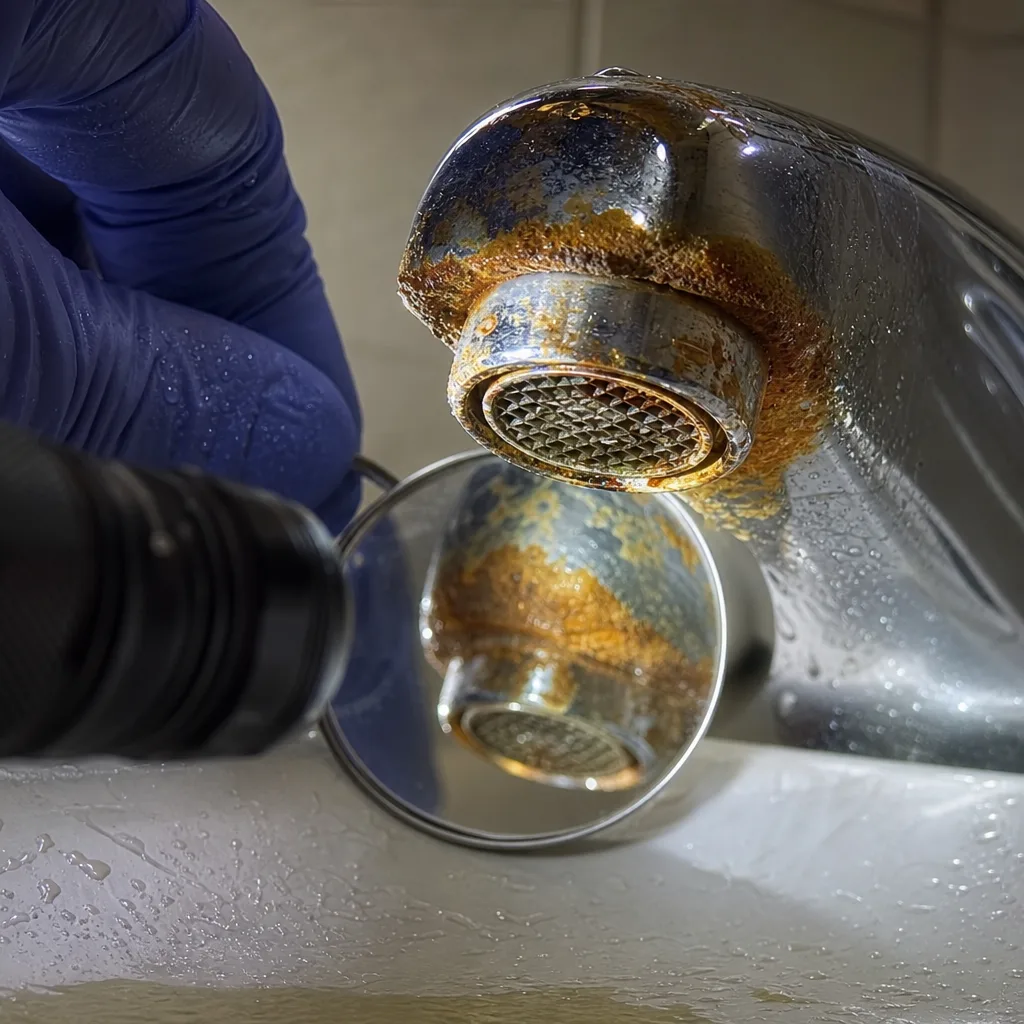
Rust stained faucet showing well water problems needing treatment in Palm Coast

Well Water Problems That Signal You Need a Full System

Well water usually has more than one problem going on at the same time. Orange staining, rotten-egg smell, yellow-brown tint, and scale on fixtures each point to a different contaminant, and each needs its own stage of treatment. When you count two or more of these signs in your house, a single filter won't solve it.

Start with what you can see and smell. That's what tells the real story.

Orange or rust-colored rings in your toilet tank mean iron. It doesn't take much, either. As little as 0.3 ppm (parts per million) will stain porcelain, laundry, and the driveway where your sprinklers hit. We run into this constantly on wells out toward Old Kings Road and around Palm Coast Plantation, and folks often think it's an old toilet. It isn't. It's the water.

Rotten eggs when you run the hot tap? That's hydrogen sulfide, and it's common in deeper wells here. The smell is worse in the morning because the water sat overnight. Some people only notice it in one bathroom; they assume it's the drain. Nine times out of ten it's the well.

Here are the signs that push a well from "one filter" territory into full-system territory:

  • Yellow or tea-colored water that won't clear, even after the tap runs. That's tannins from decaying organic matter in the ground.
  • Blue-green stains around a copper fitting or a sink drain. Acidic water is eating your pipes. Healthy range is 6.5 to 8.5 pH.
  • White crust on the faucet aerator and glassware that never comes clean. Hardness around Palm Coast runs 15 to 25 grains per gallon (the standard unit for measuring water hardness), and the USGS (U.S. Geological Survey) calls anything above 7 hard.
  • Grit in the bottom of the tub or a filter housing you're changing every few weeks. That's sediment loading the whole system.
  • Water that tests positive for bacteria or nitrates. Well water is untreated by nobody but you.

Two or more of those together, and you're looking at stages, not a single cartridge. Iron filter, then softener, then whatever the pH and organics (organic matter like tannins) call for. Order matters. Put the softener first on iron-heavy water and you'll foul the resin (the beads inside the softener that remove hardness) in a season.
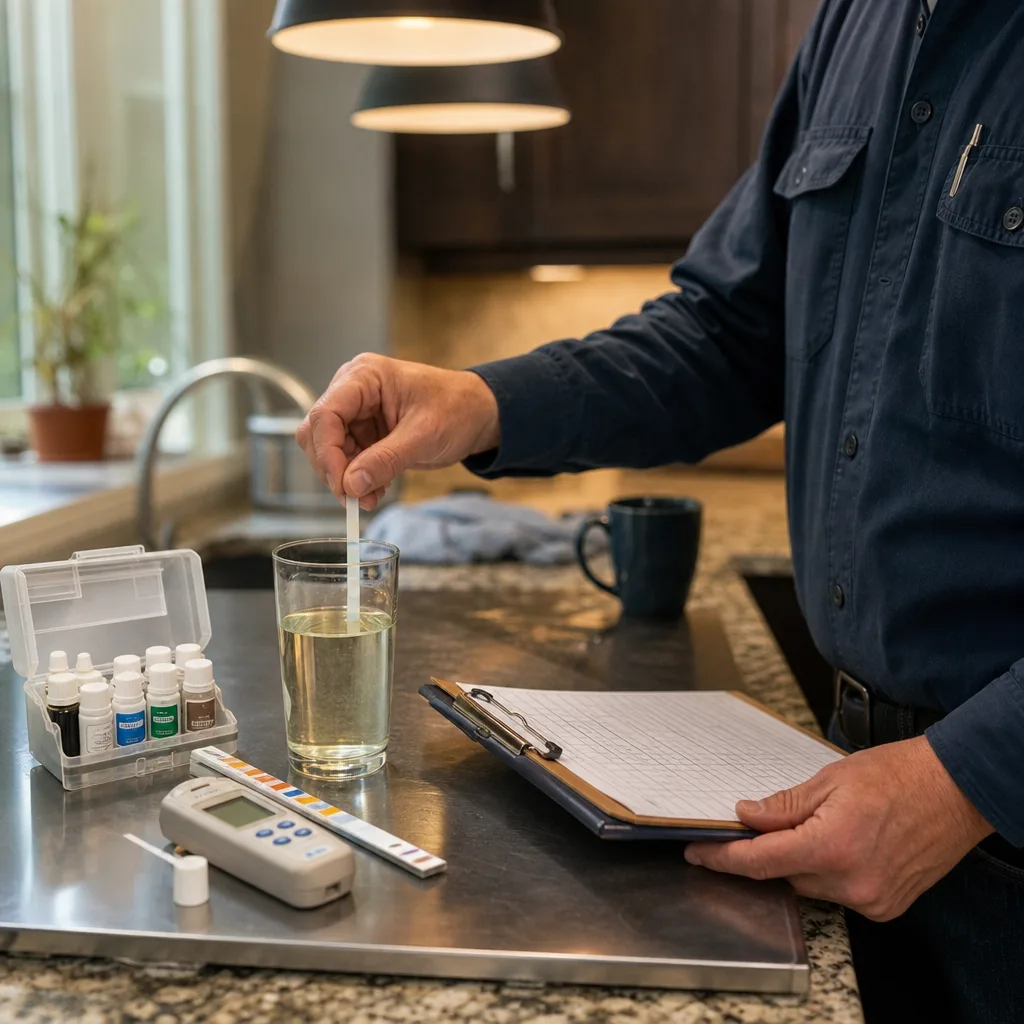
Technician testing well water samples before treatment installation in Palm Coast

Testing Comes Before Any Equipment Recommendation

Anybody who quotes you a system before touching your water is guessing. That's the truth. I've tested water in thousands of Palm Coast homes, and I've tested two houses right next to each other on the same street. One came back at 18 grains of hardness. The other hit 22 grains with iron staining on top of it. Same neighborhood, same well depth, completely different water.

So testing isn't a formality. It's the whole foundation of a well water treatment system installation.

Here's what we're looking for when we test a private well:

  • Hardness in grains per gallon, which sizes the softener and sets how often it regenerates (cleans and recharges itself)
  • Iron, because as little as 0.3 ppm leaves orange stains in toilets and on driveways
  • Hydrogen sulfide, the rotten-egg smell that shows up in a lot of deeper wells
  • pH, since acidic water eats copper pipes and leaves blue-green streaks in sinks
  • Tannins and sediment, which turn water yellow or brown and clog equipment fast
  • TDS (total dissolved solids), especially on wells closer to the Intracoastal, where brackish (slightly salty) water is a real issue

Our free 15-minute water test checks hardness. Iron, pH, chlorine, sulfur, and TDS are affordable paid tests. Bacteria, nitrates, and arsenic need a full lab analysis, and that's separate. We tell you that upfront because a well has nobody treating it but you. There's no city plant in between.

Ask any company for your numbers in writing before you sign. If they can't tell you your grains per gallon and your iron reading, they can't size equipment for your house. As a water treatment supplier that buys direct from the manufacturer, we'd rather match the treatment to the problem than move a box off a shelf. Nothing more, nothing less.

Know your water. Then treat it right.

That same focus carries through the practical water treatment supplier guidance our team provides to local families.

Why So Many In Palm Coast Call Us First

Local Folks, Local Knowledge

We live and work right here in Palm Coast. We understand our specific water challenges. We're not some big company from out of town; we're your neighbors.

60+ Five-Star Reviews

Our customers rate us 5.0 stars across Google and Facebook. We've earned that reputation one job at a time — showing up on time, charging what we quote, and fixing it right the first time.

Reasonable Diagnosis Fee

We charge a reasonable fee to tell you what's wrong. You'll get a clear explanation and upfront pricing. If you choose us to do the work, we may waive your diagnostic fee.

Fixed Right or It's Free

Not happy with our work? We come back and make it right at no charge. If we can't fix it to your satisfaction, you don't pay. No fine print.

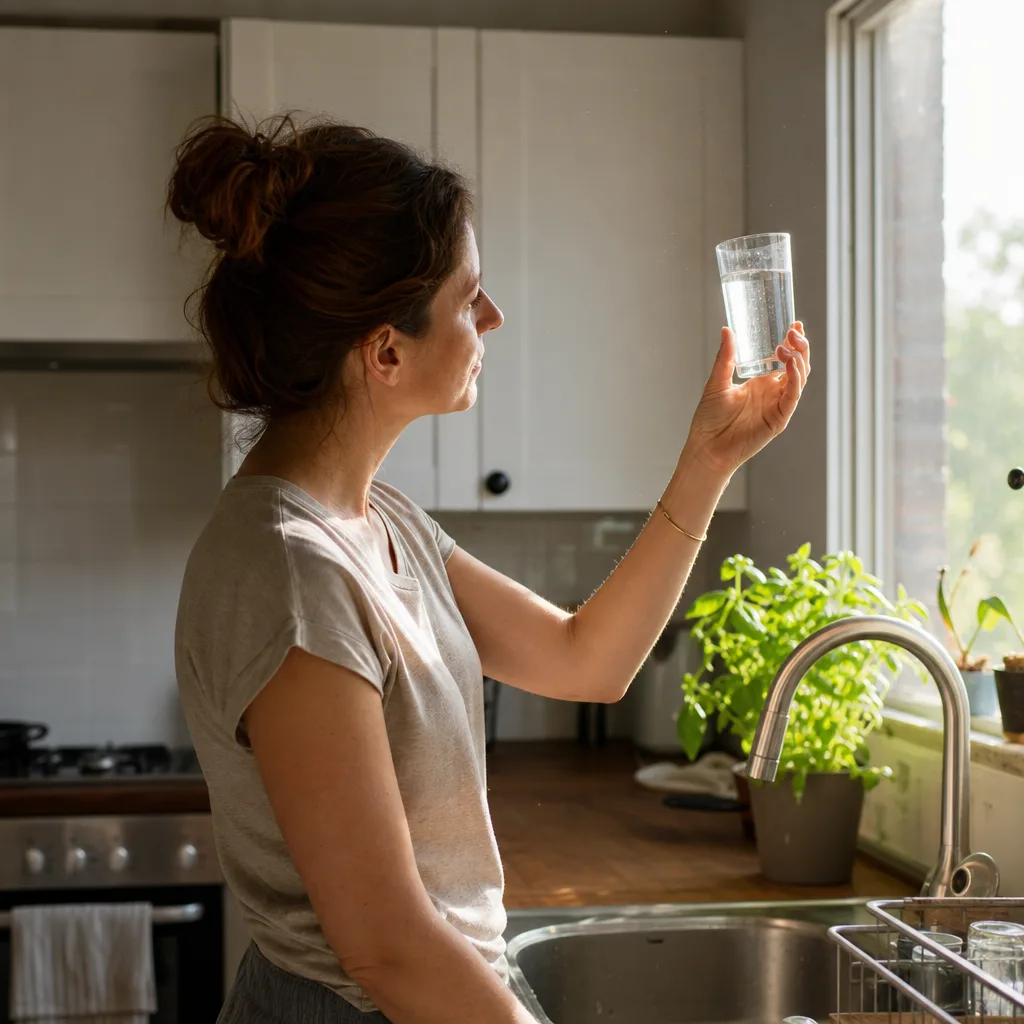
Clear treated well water at Palm Coast home kitchen sink after installation

Not Every Well Water Issue Requires a New System

Here's the part most companies skip. Plenty of the well calls we take don't need a new well water treatment system installation at all.

Rotten egg smell that only shows up in the hot water? That's usually the anode rod (a metal rod inside the water heater that protects the tank from corrosion) in your water heater, not your well. Swap the rod and the smell goes away. No treatment equipment involved.

Cloudy water after a storm is another one. Flagler County sits low and flat, and heavy summer rain can stir up a shallow well for a few days. If it clears on its own and never comes back, you're fine. Watch it; don't buy anything.

And if you already own equipment, the fix is often a repair, not a replacement. We see this every single week.

  • Salty taste or no soft water at all — often a stuck valve or a salt bridge (a hard crust of salt that blocks the tank) in the brine tank, not a dead softener
  • Sudden sulfur smell from a well that was fine last month — bacteria in the well, handled with shock chlorination (a one-time, heavy dose of chlorine that disinfects the well)
  • Pressure dropping house-wide — usually a clogged sediment filter that needs changing every 6 to 12 months
  • Orange stains that started recently — could be a spent iron filter media bed (the worn-out filtering material inside the iron filter), not an undersized system

One more honest note. If your test comes back under 7 grains with no iron, no sulfur, and normal pH, you don't need a softener. Some wells around Palm Coast really do run clean. Rare, but it happens, and I'll tell you so in your garage rather than write a proposal.

Testing shows what's really there instead of guessing. That cuts both ways — sometimes it saves you the whole purchase.

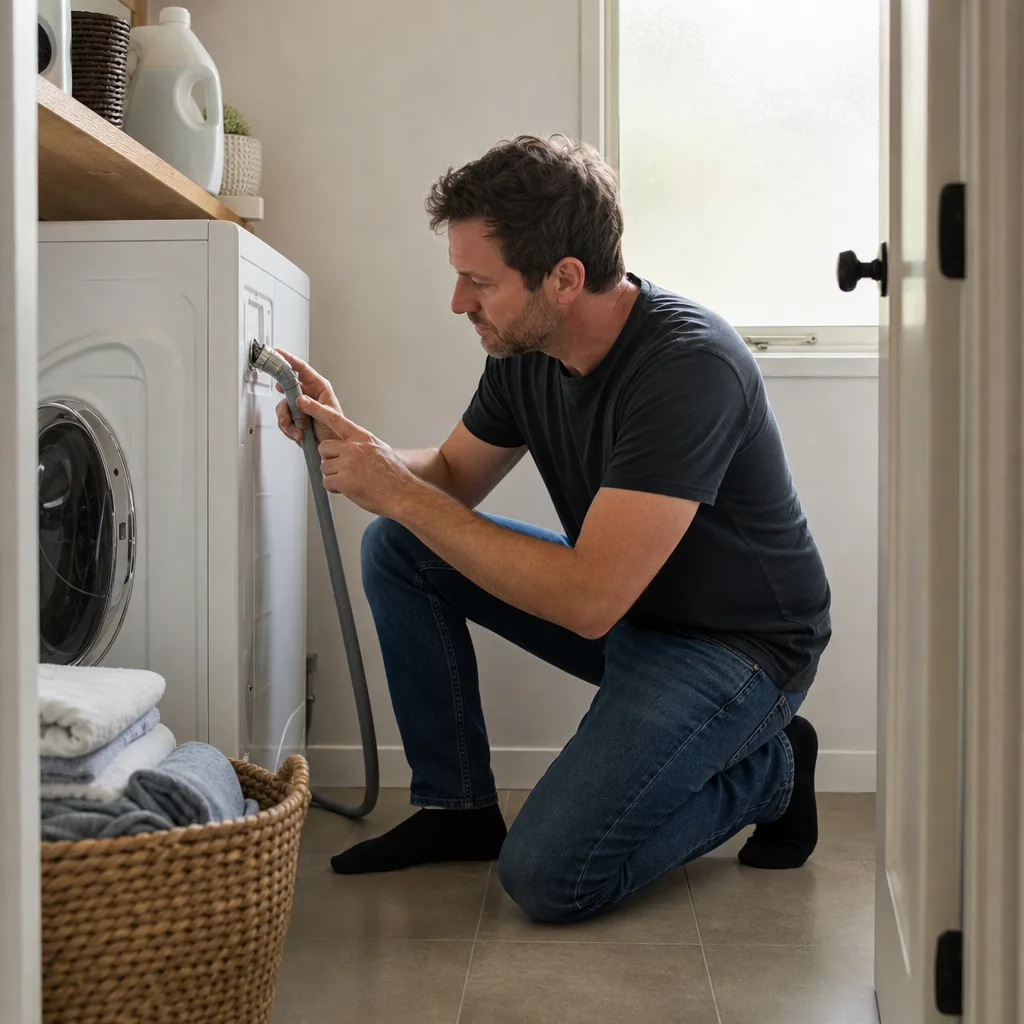
Homeowner inspecting scale buildup on washer hose from hard well water Palm Coast

What Happens During a Well Water System Installation

Most folks picture a mess. Pipes cut open, water everywhere, a crew in the house all day. It's really not like that. A well water treatment system installation runs 2 to 6 hours depending on how many stages your water needs and where the equipment lands.

Here's how the day goes.

  • We confirm the test numbers and walk the plumbing with you, usually at the pressure tank in the garage or an outside utility wall.
  • We shut off the well pump and drain down the line. Your water's off for part of the job, not the whole thing.
  • We cut in the bypass (a set of valves that lets water flow around the system when needed) and set the tanks in the order your water needs them. Iron and sulfur first, softener next, drinking water stage last.
  • We run the drain line to an approved point and tie in the electrical for the control valve (the unit on top of the tank that runs the system).
  • We backwash (run water backward through each tank to flush out debris) and rinse every stage, then program the control head to your hardness and your household's water use.
  • We retest at the tap while you watch, and show you how to add salt, set the bypass, and what the valve display means.

That last step matters more than people expect. I've walked into homes where the previous installer never programmed the valve past the factory default, so the system regenerated on a schedule that had nothing to do with that family's water. Salt wasted. Hardness sneaking through anyway.

Placement takes some thought in Palm Coast. A lot of homes here have the well equipment in a slab-floor garage with no floor drain nearby, so the discharge line (the line that carries rinse water away from the system) has to be routed carefully and sized right. We figure that out before we cut anything, not halfway through.

And we clean up. Old equipment hauled off, floor dry, boxes gone. You should be able to run a shower the same afternoon and notice the difference the first time you rinse soap off your hands.

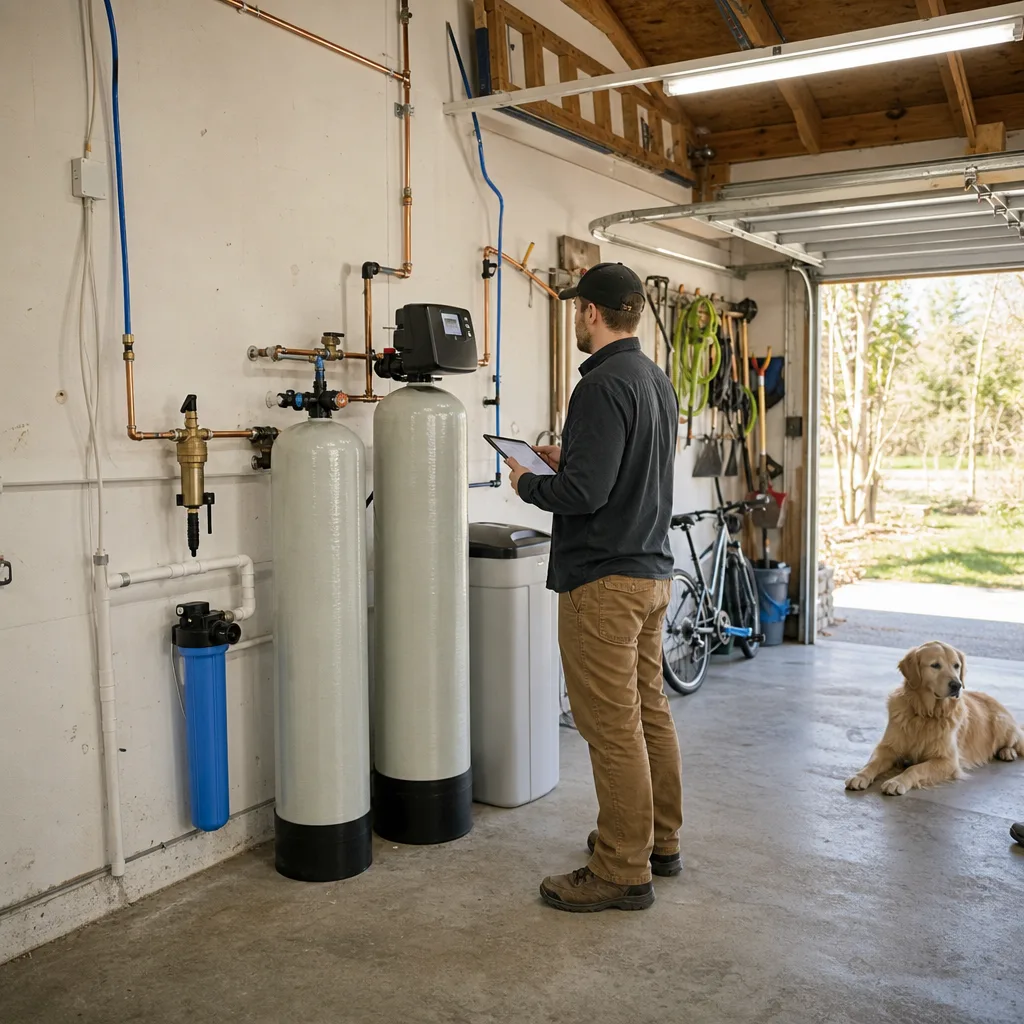
Completed multi-stage well water treatment system installed in Palm Coast garage

Matching Treatment Stages to Multiple Contaminants

Here's the part most folks don't expect. Well water almost never has just one problem. You call about the rotten egg smell, we test, and there's also 19 grains of hardness and enough iron to stain the driveway orange. Three problems. Three different jobs.

So a well water treatment system installation isn't one box on the wall. It's stages, and the order they sit in matters more than the equipment itself.

Put a softener in front of a sediment filter and you'll chew up the resin bed. Put a softener in front of heavy iron and you'll foul it the same way. But run those in the right sequence and each stage protects the one behind it. That's why we don't sell equipment before we know what's in the water. Testing shows what's really there instead of guessing.

A typical build order looks like this:

  • Sediment filtration first, to pull sand and grit that would grind up everything downstream.
  • Iron or sulfur filtration next, since even 0.3 ppm of iron is enough to stain fixtures.
  • pH correction if the water is acidic, because water below 6.5 eats copper pipe and leaves blue-green stains.
  • Water softening for the hardness, which in this area commonly runs 15 to 25 grains per gallon.
  • Disinfection, such as UV (ultraviolet light) purification, when a lab result calls for it.
  • Reverse osmosis (a fine-membrane filter that removes dissolved contaminants) at the kitchen sink for drinking and cooking water.

Not every house needs all six. Plenty of wells out toward Seminole Woods need three stages and nothing more. We match the treatment to the problem. Nothing more, nothing less.

And if a company quotes you a full six-stage setup before anyone tested your water? Ask them why.

Call 386-986-5896

Frequently Asked Questions

Common questions about Well Water Treatment System Installation

Most installations take one day from start to finish. Our crew shows up in the morning, sets the equipment, and tests your water before leaving. You won't lose water service overnight or deal with a crew camped out for a week. If your well needs shock chlorination or a repair first, that step happens separately so the install day stays smooth and predictable.

Not always. Clear water can still test hard, since hardness and iron don't always change how water looks. Some wells around Palm Coast test under 7 grains with no iron or sulfur, and those homes don't need a softener at all. That's why we test first. If your numbers come back clean, we'll tell you instead of recommending equipment you don't need.

This usually points to hydrogen sulfide, which is common in deeper Palm Coast wells and often worse in the morning after water sits overnight. But if the smell only shows up in hot water, your water heater's anode rod is likely the cause, not your well. We test both possibilities before recommending any treatment, since one is a simple swap and the other needs a full system.

Iron leaves orange or rust-colored stains on toilets, laundry, and driveways, even at levels as low as 0.3 ppm. Hard water leaves white crust on faucets and glassware that never rinses clean. Palm Coast wells often run 15 to 25 grains of hardness, which USGS classifies as hard above 7 grains. Many homes have both problems, which is why testing both matters before picking equipment.

Yes, and we recommend it. Our free 15-minute test checks hardness on the spot, and affordable paid tests cover iron, pH, chlorine, sulfur, and TDS. Bacteria, nitrates, and arsenic need a full lab analysis since those affect health directly. Getting your numbers in writing first means any company you call has to match a system to your actual water, not guess.

It can, especially since Flagler County sits low and flat. Heavy summer storms sometimes stir up a shallow well and cause cloudy water for a few days. If it clears on its own and doesn't come back, your well is fine and needs no new equipment. If cloudiness sticks around or comes with a smell change, that's when testing makes sense.

Well Water Treatment System Installation Built Around Your Water, Not a Guess

Stained fixtures, sulfur smell, and scale buildup don't have to be part of life on a well. Call Ionex Water LLC for a free 15-minute hardness test and an honest answer about what your Palm Coast well really needs. If a simple repair fixes it, we'll tell you. If you need a system, we'll install only the stages your water calls for, usually in a single day, so you can start enjoying clean, clear water right away.

© Copyright Ionex Water Systems.
Mailing Address Only: 10 Wood Clift Ln, Palm Coast, FL 32164