<-- Back to Water Softener Equipment Supplier
Need Your Water Tested? We can test your water to see what's in it. Palm Coast water can have bacteria, iron, sulfur, forever chemicals and much more. Get our licensed water testing technicians at your door fast - Call 386-986-5896
Google Review by Michelle
"We had the worst hard water which a water test revealed. We experienced rotten egg smells, rings in toilets, facets turning brown & water stains on dishes from dishwasher. Now, CLEAN WATER!!! We appreciate everything Darren has done for our family's water issues. "
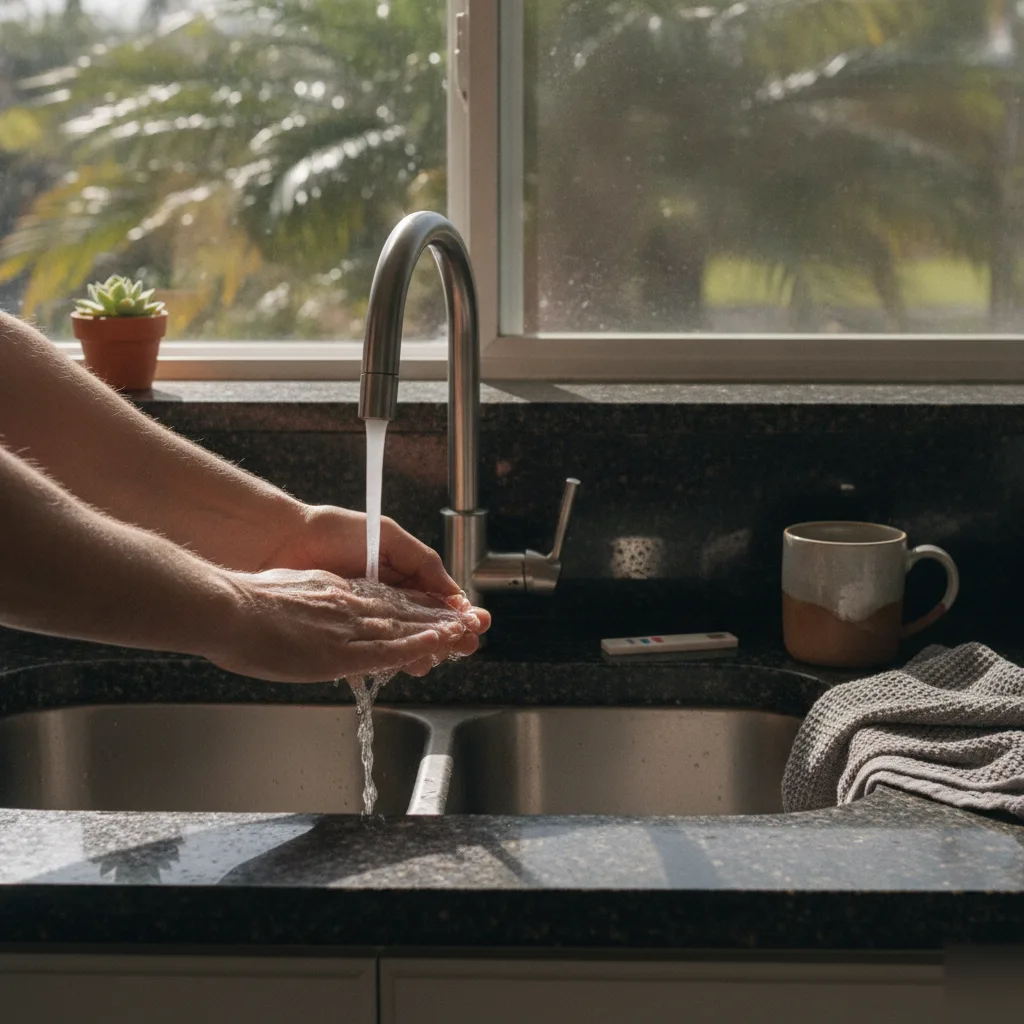
You'll probably notice it in the shower first. The water feels different on your skin. It goes from slippery to sticky, and your soap doesn't lather like it used to. That's a good sign something's happening with your resin tank.
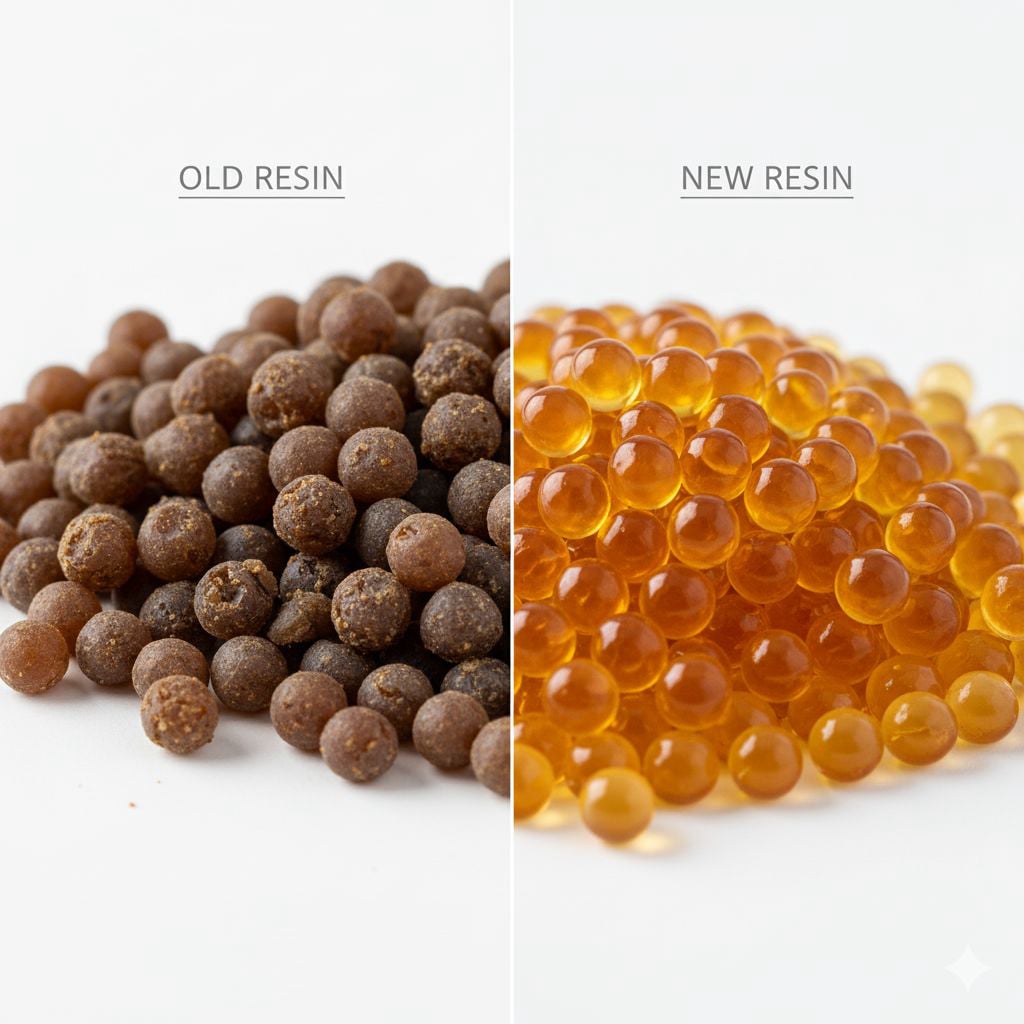
We see this every week in Palm Coast. Homeowners call us because their water suddenly feels hard again. Their water softener is plugged in and running cycles like normal. The system looks fine from the outside, but inside the resin tank, the beads have broken down or lost their charge.
Here are the most common signs we tell people to watch for:
That last one often confuses people. They assume the softener is broken. So they fiddle with settings or add more salt. The problem isn't mechanical, though. The resin itself is just spent.
Our Water Purification Systems are very effective at removing harmful contaminants from your water.
Don't pay more to get healthier water. No Franchise Fees! Low Overhead! Just Great Water at a Great Price!
Our Encore Water Treatment Systems come with a Lifetime Warranty against product defects. Reliable! Dependable!
We promise to do everything possible to ensure you're 100% Satisfied with our home water treatment systems!
Resin beads work through ion exchange. They swap calcium and magnesium for sodium when water passes through them. Over time, those tiny beads crack, clump together, or get fouled by iron and chlorine. Palm Coast's water, especially for homes near Grand Haven or Pine Lakes, can be tough on resin because of high mineral content and well water conditions.
Once the resin can't hold a charge, no amount of salt or extra regeneration cycles will fix it. The tank needs fresh resin or a full water softener resin tank replacement. Most resin lasts around eight to twelve years, according to the Water Quality Association. Heavy use or high iron levels can cut that life in half.
Not sure if this is your issue? That's pretty common. The signs can look like a dozen other problems. We can run a quick water testing service at your home to see if it's the resin or something else entirely.
This is a question we get almost every day in Palm Coast. "Should I just replace the whole water softener?" Most of the time, the answer is no.
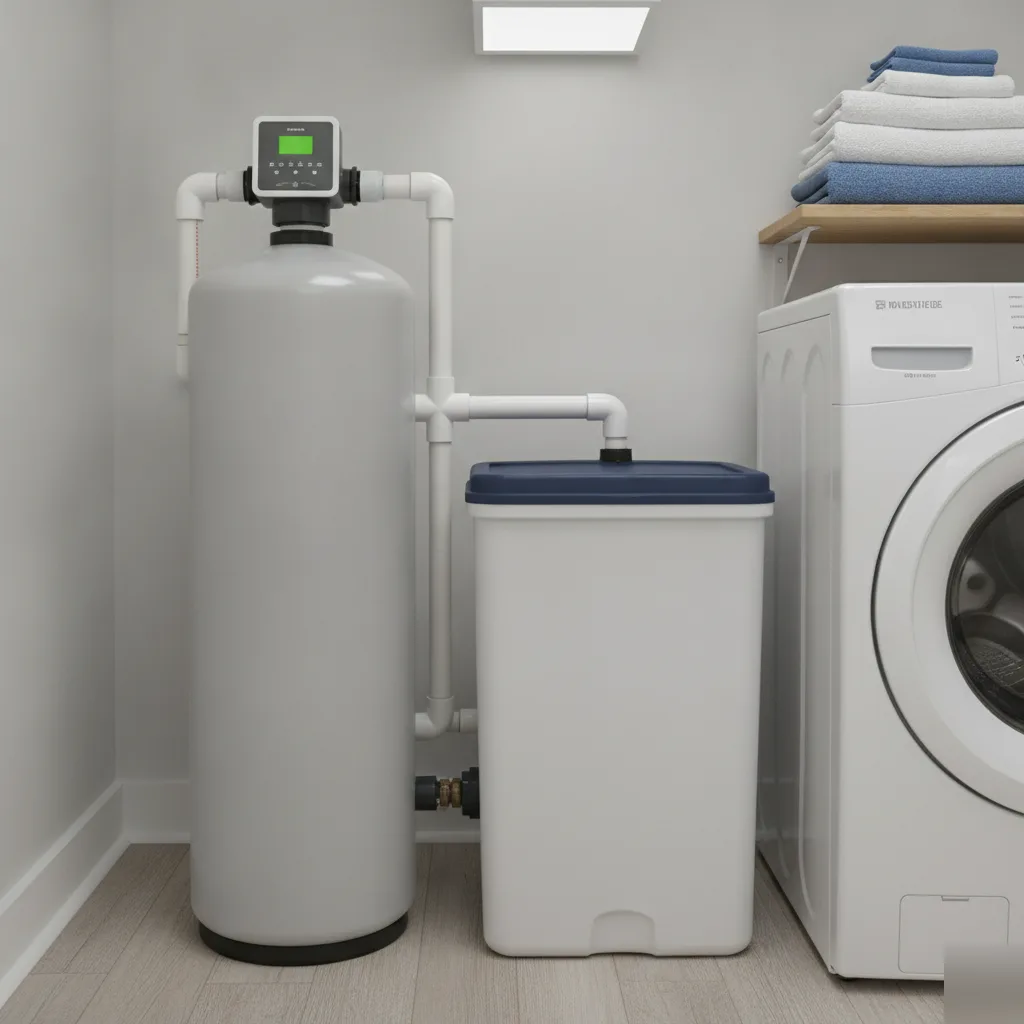
The resin tank is the part that does the heavy lifting. It's where hard water minerals get pulled out before water reaches your faucets. The control valve, brine tank, and plumbing connections often have years of life left in them. Replacing everything just because the resin failed is like buying a new car when you only need new tires.
Here's what we recommend. These are the situations where swapping just the resin tank is the right call:
A focused resin tank replacement gets your system back to full performance. It saves you money and time. It also keeps equipment out of the landfill. We see homeowners in Pine Lakes running softeners with good valves that just need fresh resin to work like new again.
Sometimes, a full system makes more sense. If your control valve is outdated or sticking, if the bypass is corroded, or if you've already done multiple repairs, a whole new water softener installation in Palm Coast might be the smarter choice. We'll tell you straight up when that's the case. We won't push you toward a full replacement if you don't need one; that's just not how we operate. Our licensed water treatment pros check every part of your system before making a recommendation. We test the valve and inspect the brine tank. We also run your water through our free testing process to see exactly what's happening. If you're stuck between the two options? Don't guess. Let us look at it and give you an honest answer based on what your system truly needs.
Your water source matters more than most people think. We see it every week. A homeowner on well water in Grand Haven might need a resin tank replacement years before someone on city water in the Hammock.
Here's why: Well water in Palm Coast often carries iron, manganese, and hydrogen sulfide. Those minerals are brutal on resin beads. They coat them, clog them, and break them down faster than normal hard water minerals. According to the Water Quality Association, iron fouling is a leading cause of premature resin failure in residential systems. This isn't a surprise to us. We pull tanks out of well water homes, and the resin often looks like wet gravel.
Municipal water has its own problems, just different ones. The city treats water with chlorine to kill bacteria. This is good for safety, but bad for resin. Chlorine is an oxidizer. It slowly eats away at the resin bead structure over time. You won't notice it happening. After several years, your softener might start letting hard water through. Your shower glass gets spotty again, and you'll wonder what went wrong.
Well Water vs. Municipal Water Changes Resin Life in Palm Coast
What does this mean for you? If you're on well water, your resin might last five to eight years instead of the ten to fifteen you'd expect. If you're on city water without a carbon pre-filter, chlorine could be quietly shortening that lifespan right now.
We always check your water source before recommending anything. Sometimes, the fix is a water softener resin tank replacement. Other times, it's adding an iron filter or carbon filter upstream to protect your new resin from day one. The right answer depends on what's in your water.
Not sure what your water source is doing to your system? Give us a call. We offer free water testing. You'll know exactly where things stand before we touch a thing.
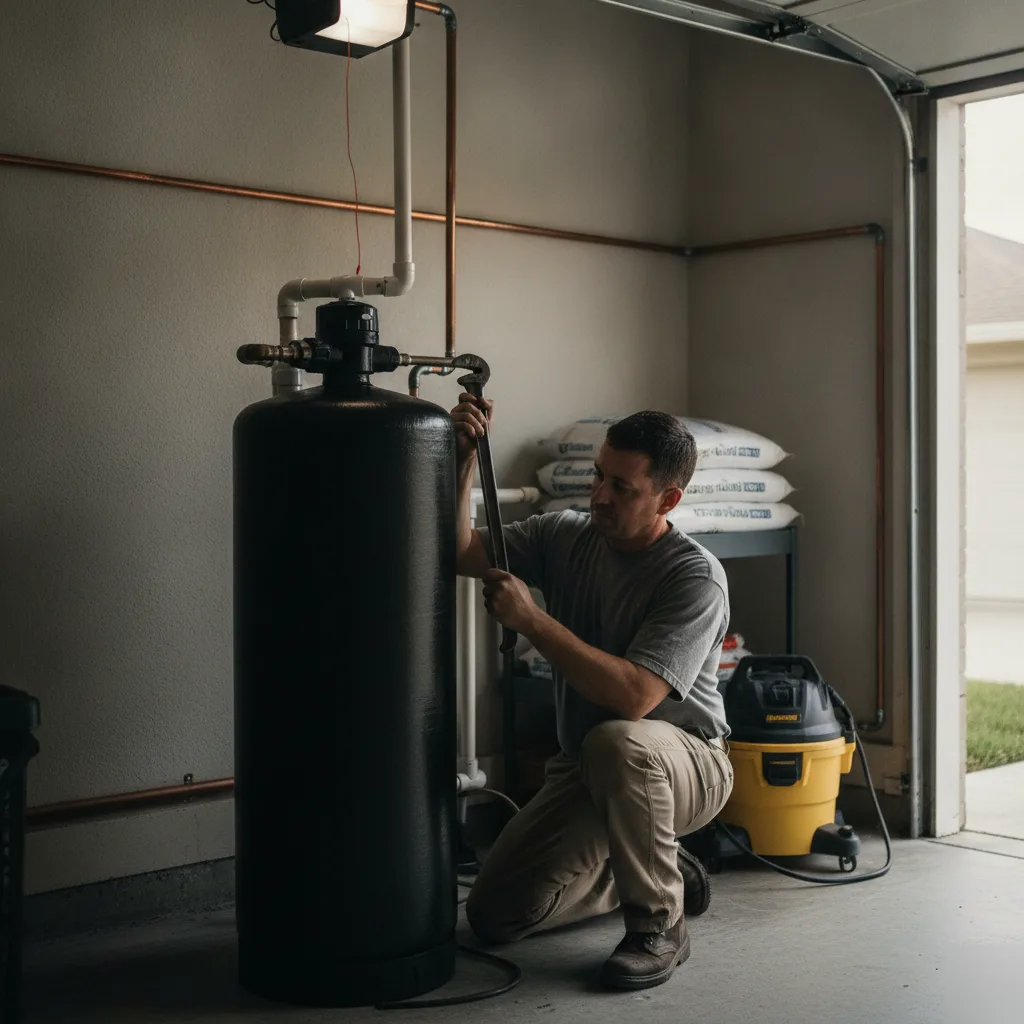
You don't need to clear out your garage or prep anything special. We handle the heavy lifting, and most jobs finish in about two hours.
Here's what the process looks like from start to finish:
That last step matters more than people think. We see this every week in Palm Coast. A homeowner might assume the job is done once the new tank is bolted in. If nobody checks the output, you could still be running hard water through your pipes without knowing it. For homeowners who want a closer look at the mechanics involved, This Old House offers a detailed walkthrough on repairing a water softener resin tank that outlines the same core steps we follow on the job.
What We Check Beyond the Tank
A resin tank replacement gives us a chance to look at everything connected to your system. We inspect your brine tank for salt bridges or sludge buildup, and we check your drain line for clogs. We also make sure your control valve programming matches your actual water usage, not some factory default from years ago.
Some homeowners near Seminole Woods haven't had their valve settings adjusted since the original installation. That's a problem because your water needs change over time. New appliances, more people in the house, a shift in well water quality all impact your softener. We dial everything in before we leave so your fresh resin works hard from day one.
Once we're done, your softener runs like it did when it was brand new. Soap lathers again, spots disappear from your glass shower doors, and your water heater stops fighting scale buildup. That's what we aim for.
We never just walk away after a job. That's not how we do things.
Once the new resin tank is in place and connected, we run a full test cycle right there in your home. We check the hardness level of your water before and after. You'll see the numbers yourself. Most homes in Palm Coast have incoming water between 15 and 25 grains per gallon of hardness. After a proper water softener resin tank replacement, that number should drop to zero or close to it. We don't leave until it does.
The test cycle isn't just about hardness. There's more going on inside your system, and we want to make sure everything works together properly. Here's what we check:
Homeowners in Indian Trails or near Town Center tell us they can feel the difference in the shower that same evening. They notice softer skin. Less film on the glass door. That slimy-clean feeling means your water is soft again.
Here's something people don't always think about. Your old resin may have been failing slowly for months. You got used to hard water without realizing it. Spots on dishes became normal. Dry hair became normal. Once we finish and your system is running right, the change can feel dramatic.
We also recommend scheduling a free water testing and analysis about 30 days after the replacement. This checks the resin is bedding in properly and your regeneration schedule matches your household's actual water use. It's a quick check that gives you real peace of mind. If anything looks off, we catch it early instead of six months down the road.
You shouldn't have to guess whether your water is fixed. You should know.
Most resin tank replacements get scheduled within a day or two of your call. We know soft water problems don't wait, so we keep slots open for homes in Palm Coast, Palm Harbor, and Grand Haven each week. Once we're on-site, the swap itself usually takes two to three hours. You'll have soft water again the same day in most cases. If your system needs a full inspection first, we'll walk you through that before any work starts.
Your technician starts by testing your water and checking your resin tank, control valve, and brine tank. This tells us if you need a resin tank replacement or something else entirely. We'll show you what we find, in plain language, before recommending anything. If a resin swap is the right fix, we'll walk you through the process and timeline. You won't get a sales pitch. You'll get an honest answer based on what your system actually needs.
Well water here often carries iron, manganese, and sulfur, and those minerals coat and clog resin beads fast. Homes in Grand Haven and other well-water areas sometimes need a resin tank replacement in five to eight years instead of ten to fifteen. We've pulled tanks from well-water homes where the resin looked like wet gravel. If you're on well water, ask us about pre-filtration to protect your new resin and stretch its lifespan.
Most of the time, you only need a resin tank replacement, not a full system swap. If your control valve still cycles properly and your brine tank is clean and salt-free of bridging, fresh resin usually solves the problem. We see this often in Pine Lakes, where valves have plenty of life left. We'll test your system fully before recommending anything, so you're not paying for parts you don't need.
The clearest signs are hard water spots returning, soap not lathering, and small amber beads showing up in faucet screens. If your system is regenerating on schedule but your water still feels hard, that's a strong signal the resin has lost its charge. We offer a quick water testing service to confirm this before recommending any repair. This way, you know for certain what's happening inside your tank.
Fresh resin typically lasts eight to twelve years, according to the Water Quality Association, though your water source changes that number. Homes on well water in Palm Coast may see shorter lifespans due to iron and sediment. Homes on municipal water can extend resin life significantly with a carbon pre-filter to reduce chlorine exposure. We'll recommend the right setup for your home's water source, so your new resin lasts as long as possible.
Better feeling, smelling and tasting water is just one call away!
© Copyright Ionex Water Systems.
Mailing Address Only: 10 Wood Clift Ln, Palm Coast, FL 32164