<-- Back to Water Treatment Supplier

Hard Water Scale Prevention & Treatment in Palm Coast: Test First, Then Treat

Quick Summary: Crusty faucets, cloudy shower glass, and a water heater that pops and rumbles are all signs of hard water scale. Palm Coast water often tests well above the hard water threshold, and that buildup quietly wears down your water heater, pipes, and fixtures. Ionex Water starts with a quick hardness test, then sizes treatment to your actual numbers, so you pay for what your home needs and nothing it doesn't. The result is cleaner fixtures, less scrubbing, and equipment that lasts longer.

Lifetime Warranty

We offer a Lifetime Guarantee on many of our products.

Financing Available

We offer creative financing options for larger purchases.

Fast Installation & Repairs

Don't deal with bad water any longer than necessary.

Satisfaction Guaranteed

You don't pay until you're 100% happy with our services :)
Google Review by Michelle

"This Water System has changed our home in so many ways. We had the worst hard water. We experienced rotten egg smells, rings in toilets, facets turning brown & water stains on dishes from dishwasher. All areas mentioned have improved drastically. CLEAN WATER!!! We appreciate everything Darren has done for our family's water issues. He was very professional & knowledgeable of the products. I highly recommend this company."

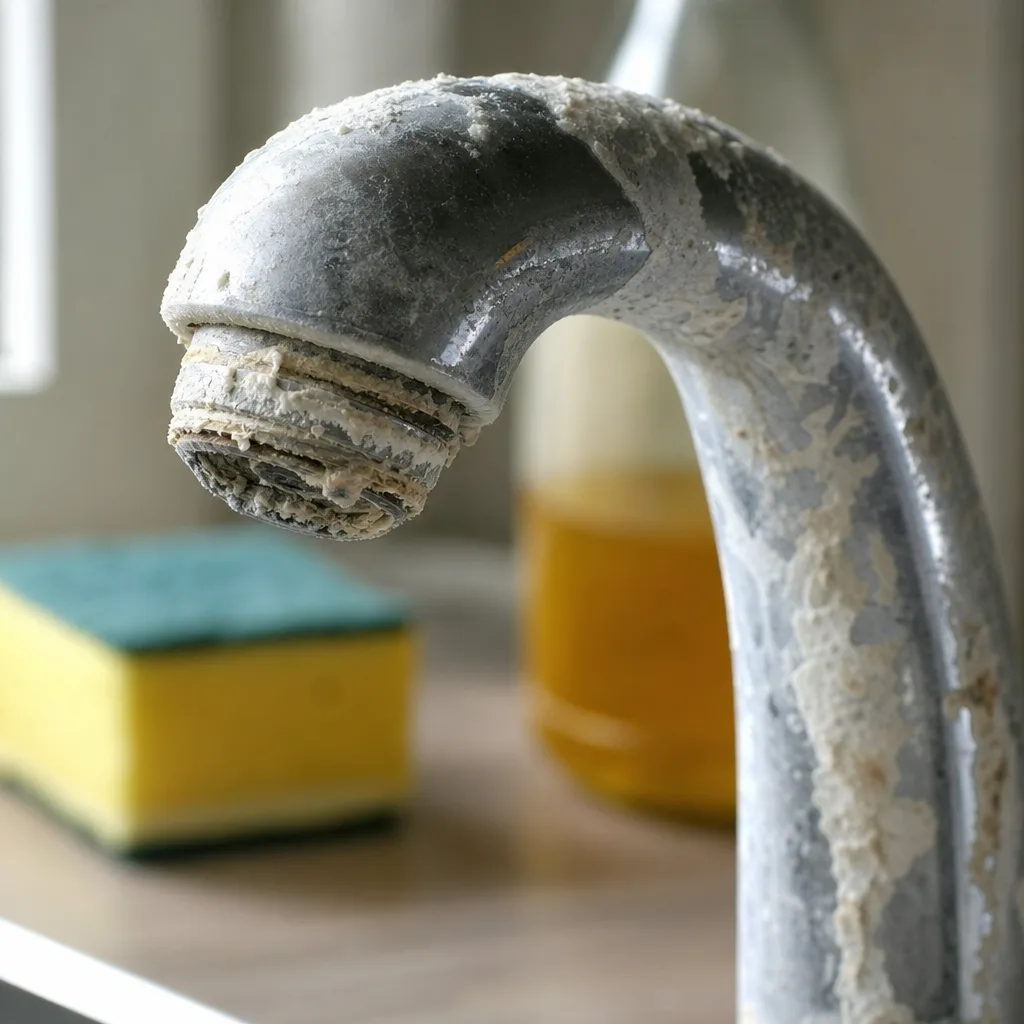
Close-up of hard water scale buildup crusted on kitchen faucet in Palm Coast

What Causes Scale Buildup in Palm Coast Homes?

Scale is dissolved calcium and magnesium coming out of your water and sticking to surfaces. Palm Coast water commonly tests between 15 and 25 grains per gallon (a standard measure of water hardness), and anything over 7 grains counts as hard water by USGS standards. Heat speeds the whole process up, so your water heater and fixtures take the worst of it.

White crust on the faucet. Chalky film on the shower glass that comes back two days after you scrub it. That's calcium and magnesium, and it was dissolved in the water until something made it drop out.

Here's what's happening. Our water pulls minerals from the limestone underneath this whole part of Florida. Those minerals stay dissolved while the water's cool and moving. But heat it up or let it sit and evaporate, and the minerals come out of solution and bond to whatever they're touching. Glass, chrome, porcelain, the inside of a copper pipe. Doesn't matter.

Your water heater is ground zero. Every gallon that goes through gets heated, so scale drops out fastest in there and settles on the bottom or on the heating element. That's why a water heater in a hard water home starts making popping and rumbling sounds — the scale layer traps water underneath it.

And it's not the same everywhere. I've tested two homes on the same street with completely different numbers. City water in the C Section and F Section runs hard but consistent. Well water out toward Seminole Woods and Matanzas Woods can carry hardness plus iron, and iron makes its own stains on top of the scale. Even 0.3 ppm (parts per million) of iron will turn a toilet bowl orange.

Homes near the Intracoastal sometimes show higher total dissolved solids (the overall amount of minerals and salts in the water) too, which changes how the scale behaves and what treatment fits.

So the cause isn't a mystery; it's a number. A test shows what's really there instead of guessing. Know your water, then treat it right.
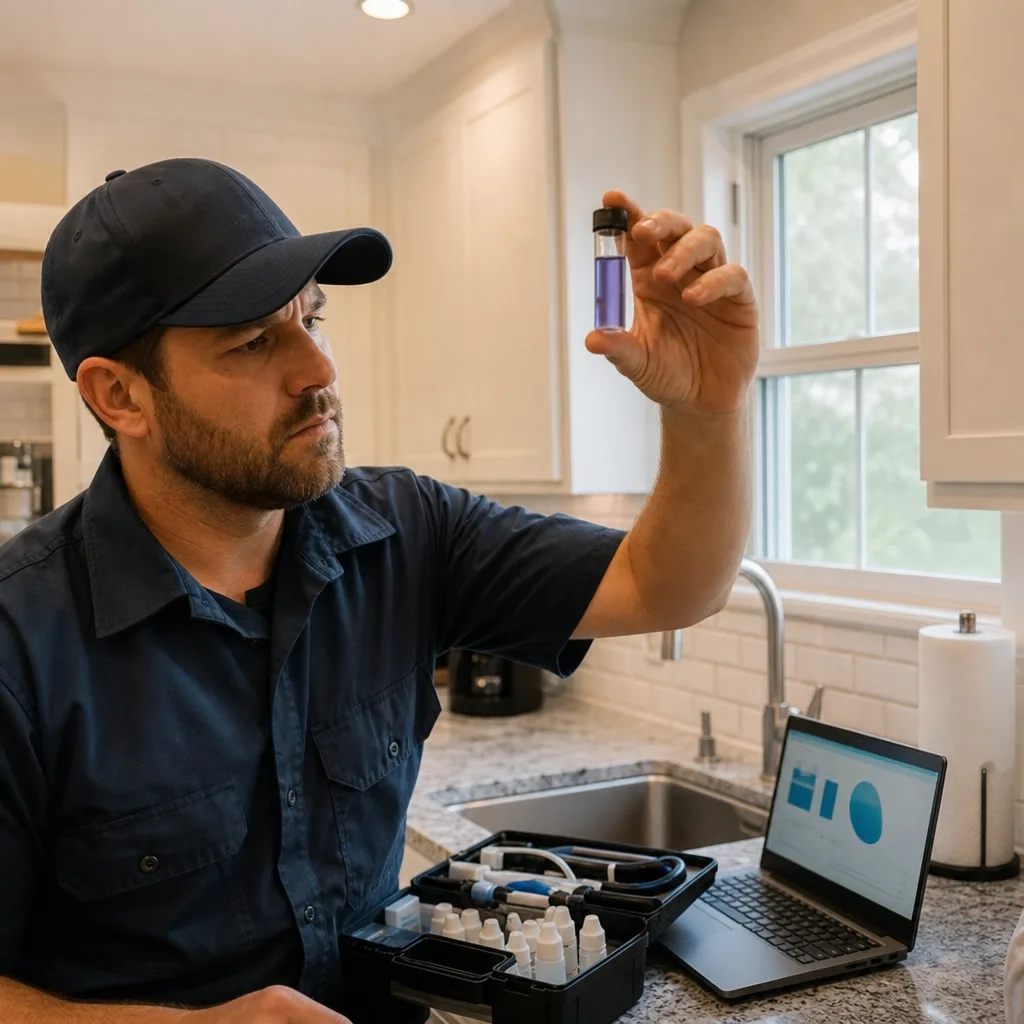
Technician reading water hardness test vial in Palm Coast kitchen before treatment

Testing Comes Before Any Treatment Decision

Here's where most folks go wrong. They see white crust on the faucet, buy a softener online, and hope for the best. Then the scale keeps coming back and nobody can tell them why.

A hardness test takes about 15 minutes at your kitchen sink and shows what's really there instead of guessing. Palm Coast water generally runs 15 to 25 grains per gallon, and anything over 7 grains counts as hard water by USGS standards. But that spread matters. A softener sized for 15 grains will get overwhelmed in a house pulling 24, and you'll be buying salt like it's going out of style while scale still builds in your water heater.

Hardness alone doesn't finish the story, either.

Iron changes everything. As little as 0.3 ppm leaves orange staining in toilets and on driveways, and iron will foul softener resin (the beads inside the softener that trap hardness minerals) if you don't handle it first. We see it regularly around Palm Coast Plantation and along Old Kings Road. pH matters too. The healthy range is 6.5 to 8.5, and acidic water on the low end corrodes copper pipes and leaves blue-green stains at the drain. Treating that with a softener alone does nothing.

I've tested two homes on the same street with completely different water. Same neighborhood, same-depth well: one had 18 grains; the neighbor had 22 plus iron. So a good water treatment supplier tests first and recommends second, because sizing the system to your actual numbers is the whole job.

If your home's on a well, a full lab analysis for bacteria, nitrates, and arsenic is a separate step, and it's worth doing before you spend a dime on equipment.

We match the treatment to the problem. Nothing more, nothing less.

That same focus carries through the practical water treatment supplier guidance our team provides to local families.

Why So Many In Palm Coast Call Us First

Local Folks, Local Knowledge

We live and work right here in Palm Coast. We understand our specific water challenges. We're not some big company from out of town; we're your neighbors.

60+ Five-Star Reviews

Our customers rate us 5.0 stars across Google and Facebook. We've earned that reputation one job at a time — showing up on time, charging what we quote, and fixing it right the first time.

Reasonable Diagnosis Fee

We charge a reasonable fee to tell you what's wrong. You'll get a clear explanation and upfront pricing. If you choose us to do the work, we may waive your diagnostic fee.

Fixed Right or It's Free

Not happy with our work? We come back and make it right at no charge. If we can't fix it to your satisfaction, you don't pay. No fine print.

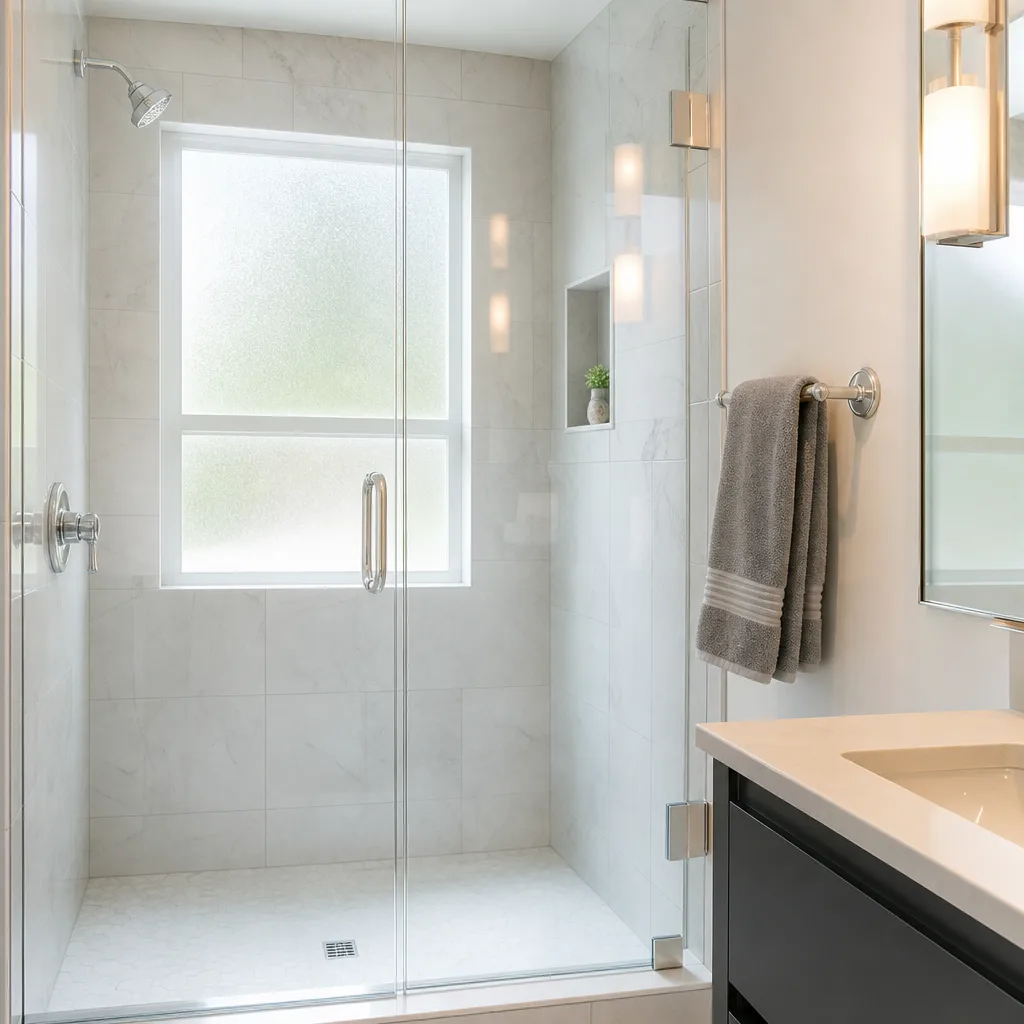
Spot-free glass shower door showing scale removed after hard water treatment in Palm Coast

Scale Prevention Versus Removing Existing Buildup

Here's the question I get in garages all over town. "If I put in a softener, will it clean out my pipes?" Short answer: no. Hard Water Scale Prevention & Treatment is really two different jobs, and mixing them up is how people end up disappointed a month after an install.

Prevention is the easy part. Pull the calcium and magnesium out before the water ever hits your plumbing and nothing new can bake onto the heating element. At 15 to 25 grains per gallon, that's a lot of mineral you're stopping every single day.

Removal is the other half, and it's mechanical. That crust on the bottom of your water heater has been building for years. Soft water will slowly soften and loosen some of it, but I wouldn't count on it, and I won't promise you it will.

So when a home has both problems, we handle them in order:

  • Test the water first so we know the actual hardness instead of guessing.
  • Stop the source with the right-sized equipment for the household.
  • Descale the water heater and flush the tank so it starts clean.
  • Clear or swap the aerators (the small screens on faucet tips), shower heads, and fixture screens that are already plugged.

That last one surprises folks. You get soft water, your shower still dribbles, and you assume the equipment failed. Nope — the head was already clogged before we showed up.

Call 386-986-5896

One more thing worth saying out loud. If the buildup is bad enough that a pipe is already restricted, no water treatment on earth fixes that; it's a plumbing repair. We'll tell you straight when that's what you're looking at.

Thinking about Hard Water Scale Prevention & Treatment? Let's talk.

Get your free consultation today. Ionex Water LLC is ready to help.

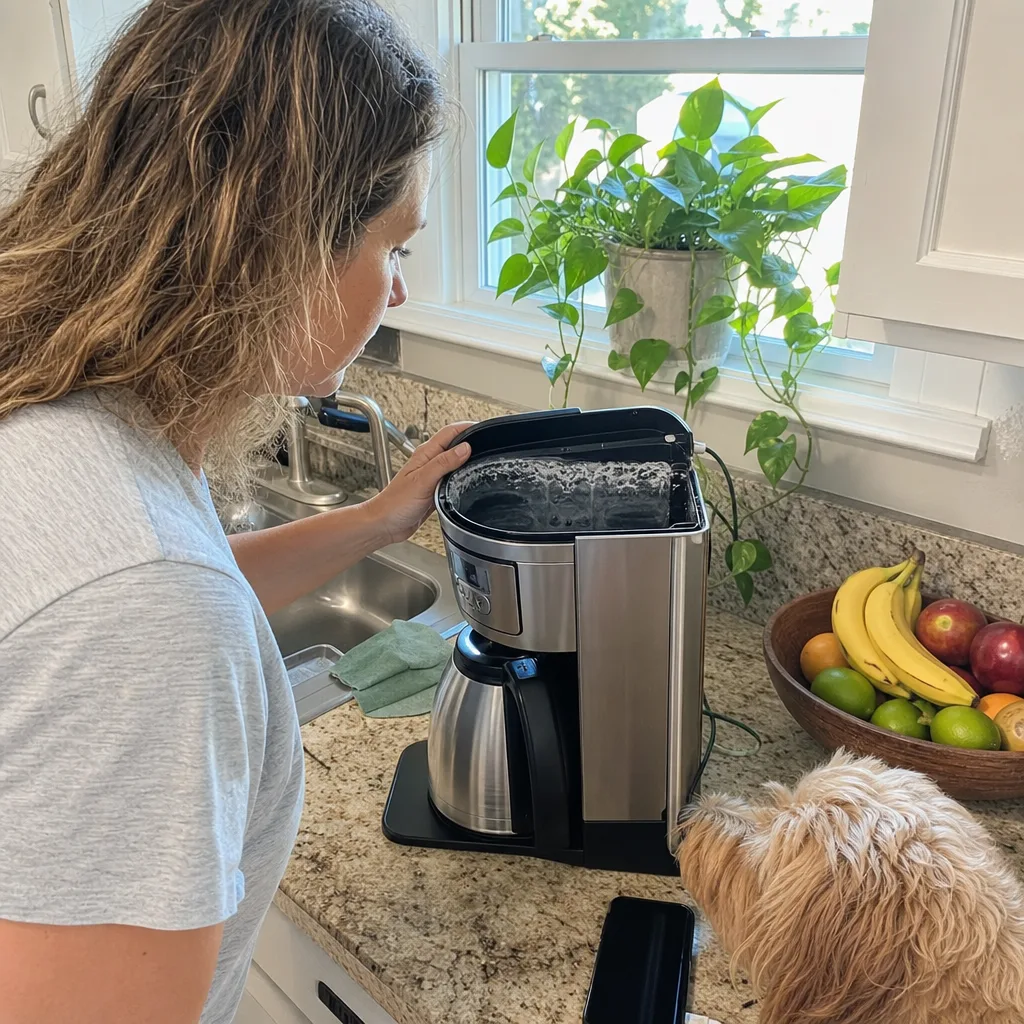
Homeowner noticing scale residue on coffee maker in Palm Coast kitchen from hard water

When Cosmetic Scale Buildup Doesn't Need Whole-House Treatment

Not every white spot means you need equipment. Some homes call us about scale and the honest answer is: you've got a cleaning job, not a water job.

Here's the line I draw. If the buildup wipes off with vinegar and stays gone for a couple weeks, that's cosmetic. If it comes back in three days, or your water heater is making popping noises, or your fixtures are dripping at half the flow they used to, that's scale working inside the pipes. Big difference.

You can skip whole-house treatment in these situations:

  • Your water tests soft already. Anything under 7 grains per gallon isn't hard water, and no softener will improve it.
  • You rent. Talk to your landlord first. A point-of-use filter (a filter that treats water at a single faucet) or a shower head filter costs a fraction of a system.
  • The spotting is only on one shower door and nowhere else. That's usually a squeegee problem.
  • You're selling the house in a few months and the buyer may want a different setup.

Blue-green stains in the sink aren't scale either. That's acidic water eating at your copper pipes, and a softener won't touch it. Healthy pH sits between 6.5 and 8.5. A softener installed on acidic water solves nothing, and you'll still be replacing fittings in five years.

Same story with orange staining. That's iron, and it needs an iron filter, not a scale fix.

So get the number first. A 15-minute hardness test tells you where you stand, and I'd rather tell you to buy a bottle of vinegar than sell you something you don't need. We match the treatment to the problem. Nothing more, nothing less.

See our full water treatment supplier overview for how testing and equipment choices fit together.

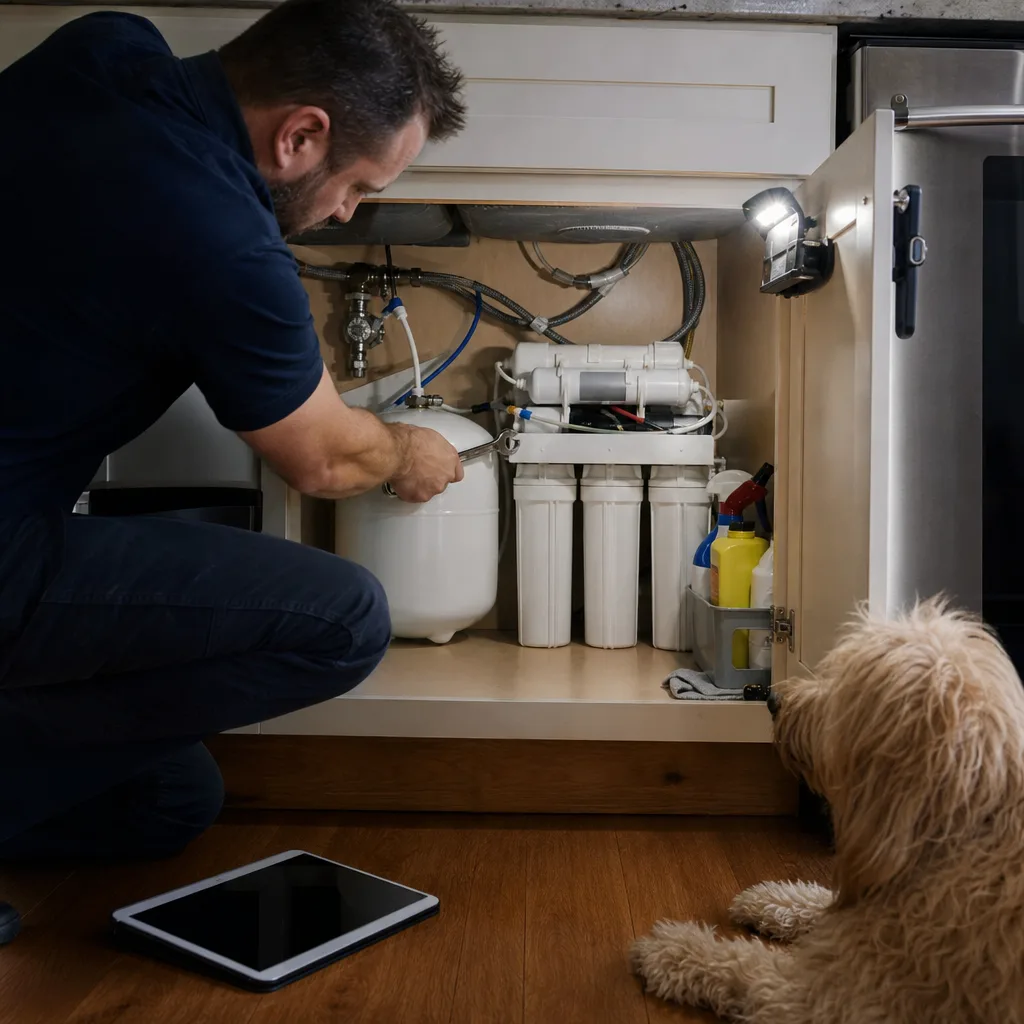
Technician installing under-sink filtration unit for water treatment in Palm Coast home

How Installation and Ongoing Maintenance Work

Most folks picture a full day of plumbers tearing up the garage. It's not like that. A standard install runs 2 to 6 hours depending on where your main line comes in and whether we need a drain line run. You'll have water back on the same day.

Here's how a typical hard water scale prevention and treatment install goes:

  • We test your water first. A 15-minute hardness test tells us your grains per gallon, and if the color or smell suggests iron or sulfur, we talk about deeper testing before we size anything.
  • We size the system to your hardness number and how many people live in the house. A four-person home at 22 grains needs different capacity than a two-person home at 15.
  • We set the tanks, tie into the main line, run the drain, and set the bypass valve so you can isolate the unit later without calling anyone.
  • We program the regeneration schedule (how often the softener flushes out collected minerals and recharges) based on your actual usage, not a factory default.
  • We run the system, check for leaks, and walk you through the brine tank (the tank that holds the softener's salt) before we leave.

Then comes the part people skip.

Salt. You'll add it every few weeks to a couple of months, depending on your household. It's the one job that's on you, and it's the one that gets forgotten. When a softener runs dry on salt, scale starts building again within days and most people don't notice until the shower doors fog back up.

Beyond that, brine tanks eventually crust up and need cleaning, and resin loses capacity over the years. We handle annual maintenance and inspection, brine tank cleaning, and resin tank replacement when it's time. And we service all brands, not just what we install, so an older unit someone else put in isn't a dead end.

Test your water, treat it right, and keep it that way with regular maintenance.

Ask about our maintenance plans when you schedule your install.

Frequently Asked Questions

Hard Water Scale Prevention & Treatment FAQs in Palm Coast FL

Yes. The calcium and magnesium that cause scale aren't a health hazard. Hard water is a household problem, not a health one. It wears down your water heater, clogs fixtures, and leaves film on glass and dishes. If your home is on a well, though, hardness is only part of the picture. A lab test for bacteria, nitrates, and arsenic is the way to know your water is safe.

Don't count on it. A softener stops new scale from forming, but buildup that's been baking onto your water heater for years usually has to be removed by hand. That's why we descale and flush the water heater and clear clogged aerators and shower heads as part of the job. If a pipe is already badly restricted, that's a plumbing repair, and we'll tell you so.

Sometimes, yes. If the buildup wipes off with vinegar and stays gone for a couple of weeks, it's likely cosmetic, and cleaning may be all you need. But vinegar only handles the surfaces you can reach. It can't stop scale forming inside your water heater, pipes, and appliances, which is where the costly damage happens. If spots come back within days or your water heater is popping, it's time to test your water.

A water softener removes the calcium and magnesium from your water, using salt to recharge itself. A salt-free conditioner leaves the minerals in the water but changes them so they're less likely to stick to surfaces. It doesn't give you true soft water. Conditioners can work for moderately hard water. At the 15 to 25 grains per gallon common in Palm Coast, a properly sized softener is usually the stronger choice. Your test results decide which one fits.

Your water heater takes the worst of it. Heat pulls minerals out of the water faster, so scale settles on the bottom of the tank and coats the heating element. That layer makes the heater work harder and use more energy to heat your water, and it can shorten the unit's life. Popping or rumbling sounds are a common warning sign. Flushing the tank helps, but stopping the scale at the source is what protects it long term.

No. The salt recharges the softener and is rinsed down the drain. It doesn't flow into your faucets. Softened water does pick up a small amount of sodium, and the harder your water, the more it picks up. If you're watching your sodium intake, potassium chloride can be used in place of salt, or a separate drinking water filter at the kitchen sink can remove it.

Hard Water Scale Prevention & Treatment That Protects Your Water Heater and Fixtures

Every day your hard water goes untreated, more scale bakes onto your water heater, pipes, and fixtures. Call Ionex Water for a free consultation. We'll test your water, show you exactly what's in it, and recommend only what your home actually needs, so you can get back to spot-free glass, stronger water flow, and appliances that last.

© Copyright Ionex Water Systems.
Mailing Address Only: 10 Wood Clift Ln, Palm Coast, FL 32164