<-- Back to Water Treatment Supplier
Quick Summary: If your water tastes off, smells like chlorine or rotten eggs, or you just don't trust what's coming out of the tap, a drinking water system installation makes sense. The clearest signals are taste, smell, cloudiness, or a well that's never been tested. A test shows what's in your water instead of guessing.
Google Review by Jessica
"My husband and I are very particular about our drinking water and Darren built us the most incredible system. He delivered everything he promised and was an absolute pleasure to work with. 10/10 recommend working with him."
You fill a glass, take a sip, and something's wrong. Maybe it's a chlorine bite on city water. Maybe it's a musty, swampy taste from tannins. I've walked into kitchens in Palm Coast Plantation where the water looked clear but tasted metallic. Iron was the culprit, right at the edge of what you can taste but not yet see stained on the fixtures.
Smell is the other big one. Rotten egg smell means hydrogen sulfide, common in deep wells around Flagler County. Chlorine smell usually means city water. Neither means your water is dangerous. Most city water in Palm Coast is safe to drink, but nobody wants to drink a glass that smells like a pool.
It's not one problem. It's hardness plus chlorine, or iron plus tannins. That's why we test before we ever talk equipment. A drinking water system installation, whether reverse osmosis or a dedicated filter setup, only works right when it's built for what's in your water, not what we assume.
Here's something a lot of folks don't think about until we're standing in their garage. City water and well water are two different animals. The drinking water system installation that works for one might be wrong for the other.
If you're on city water, closer to Palm Harbor or European Village, your main complaint is usually chlorine. It's added at the treatment plant to keep the water safe. By the time it reaches your tap, it can taste and smell strong. A carbon filter stage handles that part well.
Well water is a different story. Nobody's treating it before it hits your pipes, so what's in the ground is what's in your glass. We see wells out toward the western part of Flagler County pull sulfur smell, iron, and sometimes bacteria or nitrates that a basic filter won't touch. That's why we test first, especially with a well, rather than guess at the problem.
Same well depth, same neighborhood, completely different water. I've seen it plenty of times. One house needs a simple filter stage. The house two doors down needs reverse osmosis plus a UV stage because their well tested positive for bacteria.
This is why we don't sell one setup to everybody. If you want the full rundown on how we build these systems around your actual water, check out our main Water Treatment Supplier service page for the details.
We live and work right here in Palm Coast. We understand our specific water challenges. We're not some big company from out of town; we're your neighbors.
Our customers rate us 5.0 stars across Google and Facebook. We've earned that reputation one job at a time — showing up on time, charging what we quote, and fixing it right the first time.
We charge a reasonable fee to tell you what's wrong. You'll get a clear explanation and upfront pricing. If you choose us to do the work, we may waive your diagnostic fee.
Not happy with our work? We come back and make it right at no charge. If we can't fix it to your satisfaction, you don't pay. No fine print.
Here's a question we get all the time. If I already have a whole-house filter, why do I need anything else on my kitchen sink? A whole-house system treats every drop coming into your home: showers, laundry, dishwasher, all of it. It handles the big stuff: sediment, chlorine, sometimes iron or sulfur depending on what's in there. But it's not built to squeeze water down to the last few contaminants that matter most for drinking and cooking.
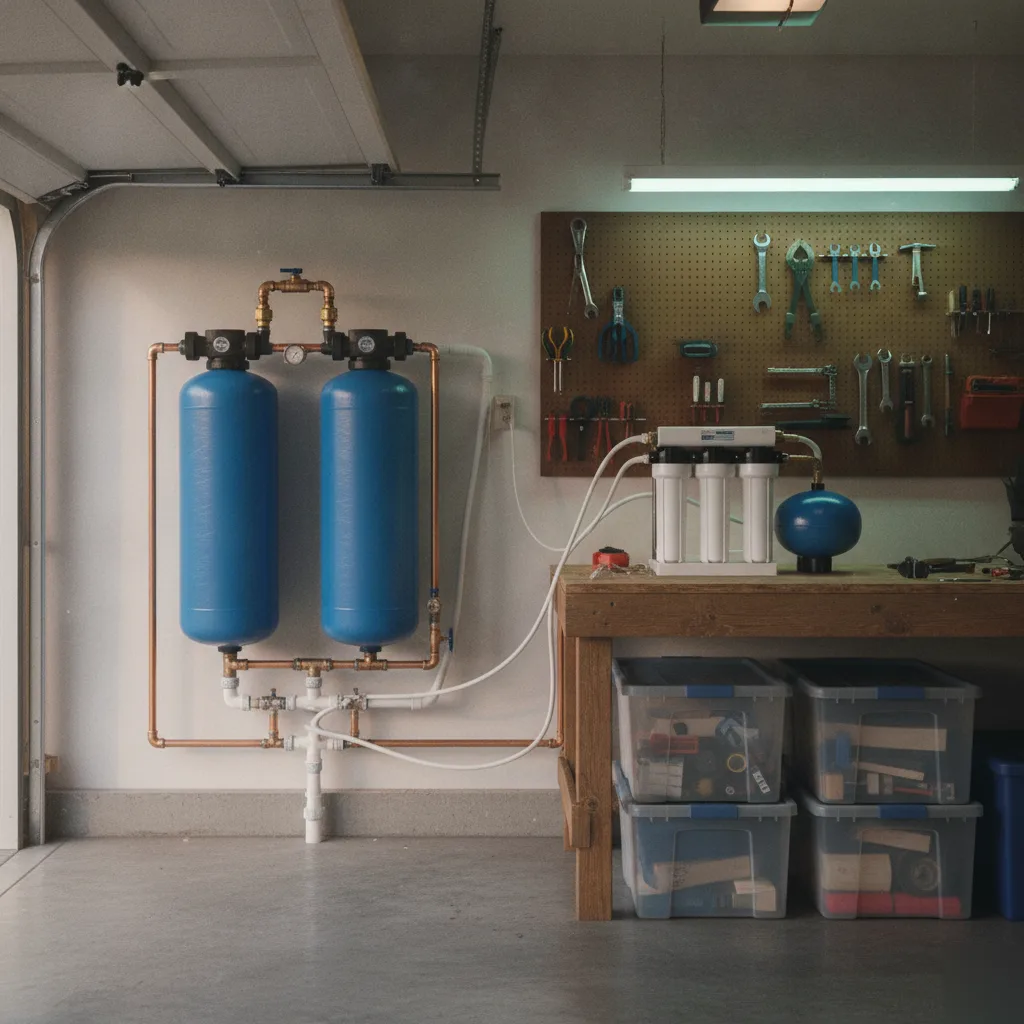
That's where a drinking water system installation earns its keep. Reverse osmosis units, for example, push water through a membrane fine enough to remove 95 to 99% of dissolved contaminants left after whole-house treatment. Nothing else in a typical home setup gets you that close to clean at the tap.
Think of it this way.
Whole-house filtration protects your pipes, water heater, and appliances from scale and sediment damage over time. A dedicated drinking water system protects what you put in your body. They're not competing systems. They're doing two different jobs.
We match the treatment to the problem. Nothing more, nothing less. If your water tests fine for hardness and iron but still tastes off at the tap, you probably don't need a bigger whole-house unit. You need a small, well-placed system that finishes the job. That's a fraction of the cost and installation time of upgrading your whole-house setup for no real gain.
Not sure what your Drinking Water System Installation project needs? Ask us. Get Your Free Consultation Today. Ionex Water LLC is ready to help.
Not every water problem needs a new system. That's the truth, and we'll tell you straight if that's your situation.
Say your water tastes a little like chlorine but nothing else is wrong. No staining, no smell, no scale on your shower door. That might just mean it's time to swap a filter cartridge, not install anything new. Filter changes every 6 to 12 months handle a lot of taste and odor complaints on their own.
Or maybe you're on city water in a newer home near European Village and your only complaint is dry skin after a shower. Sometimes that's hardness. Sometimes it's just Florida humidity messing with your skin, and no amount of equipment fixes that.
You also might already have a working softener or filter that just needs a repair or a resin tank swap instead of full replacement. We see this every week. Folks assume old equipment means start over, when it really just needs a part.
Here's the thing. We match the treatment to the problem. Nothing more, nothing less. If a $30 cartridge fixes it, we're not going to sell you a whole-house system. A proper test tells us what's there, and sometimes what's there just doesn't call for new equipment yet.
Here's what happens when we show up. No mystery, no sales script behind a clipboard.
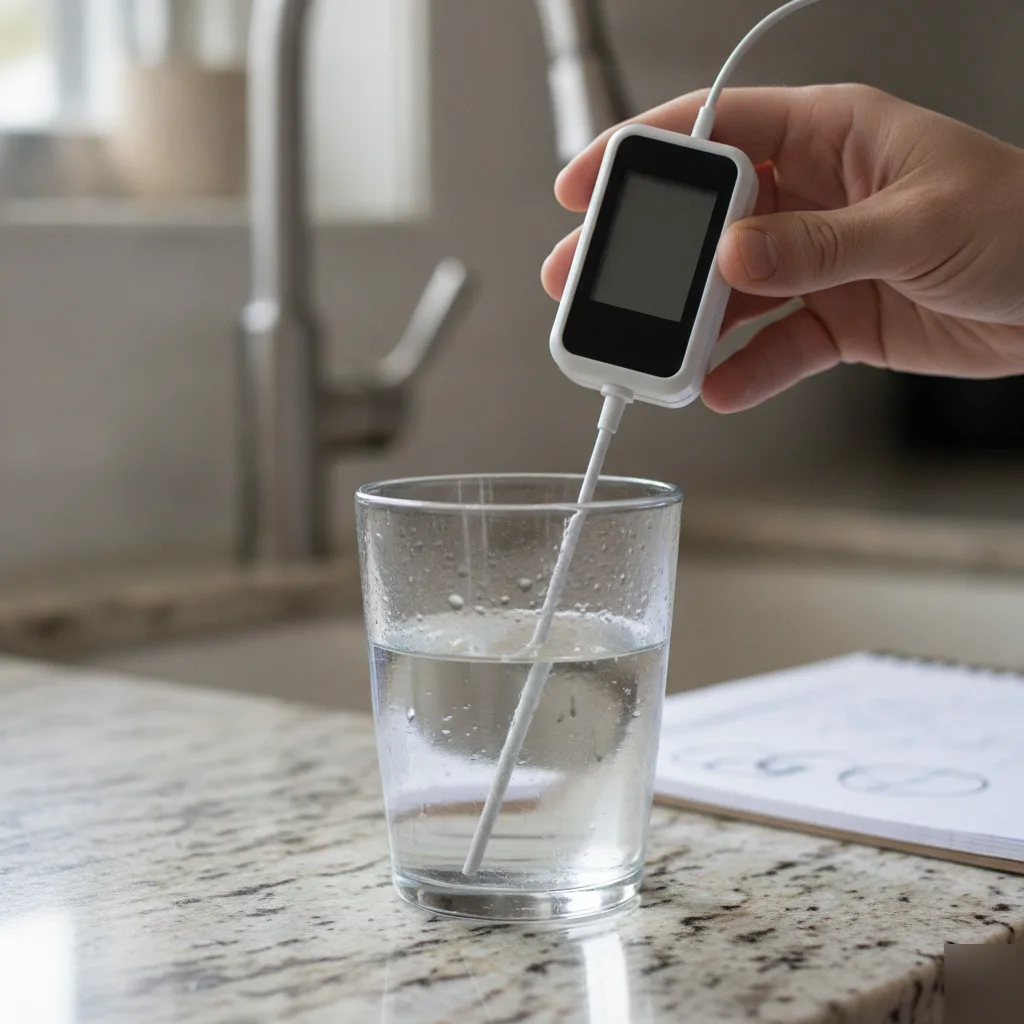
We start with a water test, usually about 15 minutes for hardness. That number, along with what you're seeing and smelling, tells us what we're dealing with. If you need a closer look at iron, pH, chlorine, sulfur, or TDS, we can run that testing too. This step shows what's in your water instead of guessing.
The install itself is the easy part. The real work happens in that first 15 minutes with the test. Get that wrong and you're paying for equipment that doesn't fix your problem.
We're licensed water treatment pros, and every job gets matched to what your water needs. Nothing more, nothing less.
There are a variety of household drinking water purification systems available on the market in NE Florida, each with its own advantages and disadvantages. We install the best drinking water systems based on your needs and budget. Here is a brief overview of some of the most common types:
When choosing a household drinking water purification system, it is important to consider the specific contaminants that you want to remove from your water. It is also important to consider the cost and maintenance requirements of different systems.
Here is a table that summarizes the key differences between the four types of household drinking water purification systems discussed above:
| Characteristic | Activated carbon filter | Reverse osmosis system | Ultraviolet light system | Distillation system |
|---|---|---|---|---|
| Removes contaminants | Chlorine, taste and odor compounds, some VOCs | Bacteria, viruses, cysts, heavy metals, salts | Bacteria and viruses | All contaminants |
| Cost | Low | Medium | High | Highest |
| Maintenance | Low | Medium | Medium | High |
| Water waste | Low | High | Low | Low |
It is also important to note that some household drinking water purification systems combine two or more of the technologies listed above. For example, there are RO systems that also incorporate activated carbon filters and UV light systems. These hybrid systems can provide a more comprehensive level of water purification.
Ultimately, the best household drinking water purification system for you will depend on your individual needs and budget. Learn what residential or commercial drinking water system is best for your family. Contact us today to learn more about our water treatment equipment and how they can benefit your family.
Learn more about our Water Treatment Supplier Services.
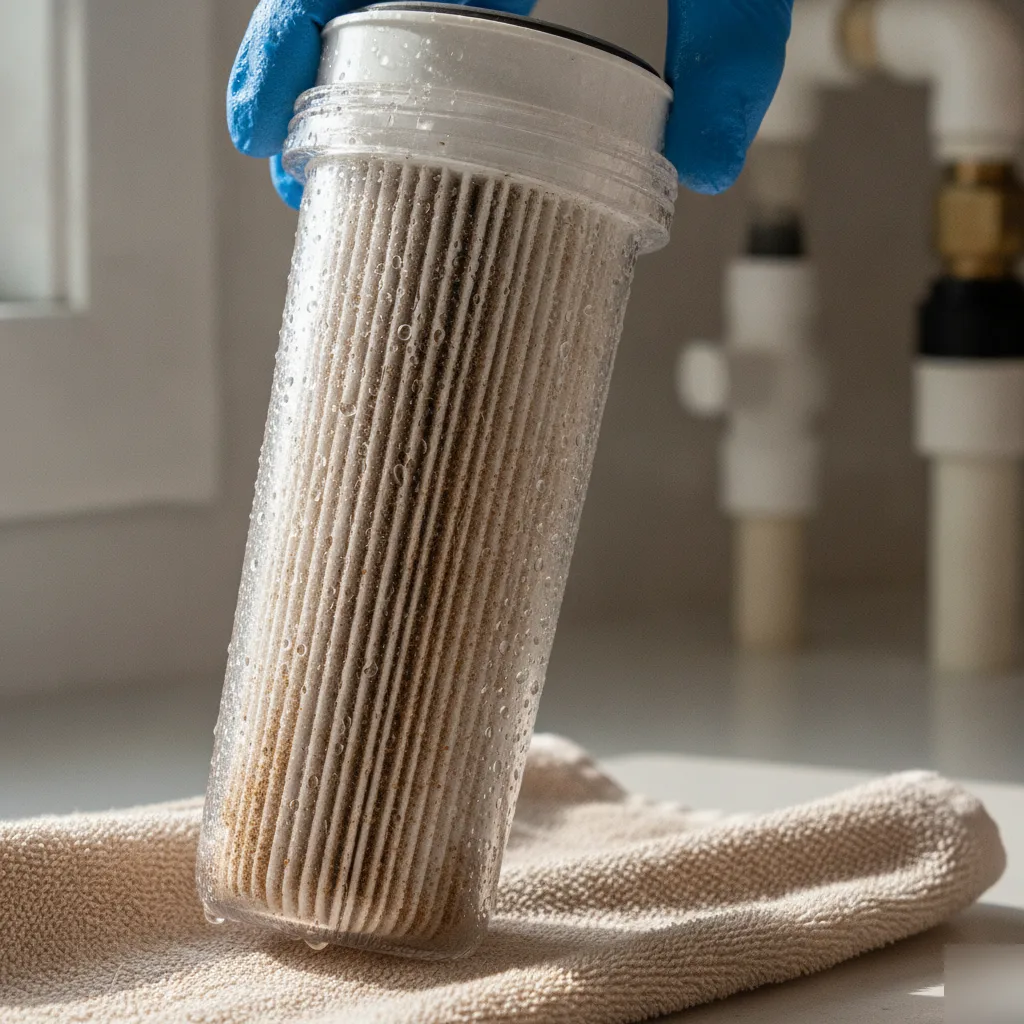
If your water only tastes a little like chlorine and nothing else seems off, a filter cartridge swap may be all you need. But if you're on well water, notice a rotten egg smell, cloudiness, or metallic taste, that points to a bigger issue like iron, tannins, or sulfur. We test your water first so you're not guessing or buying equipment you don't need.
City water in Palm Coast usually just needs carbon filtration for chlorine taste, since it's treated before it reaches your tap. Well water is different because nothing treats it before it hits your pipes. Wells out toward western Flagler County often carry sulfur smell, iron, or even bacteria and nitrates that a basic filter can't catch. That's why we always test well water before recommending a system.
Yes, because a whole-house filter and a drinking water system do different jobs. Whole-house units protect your pipes and appliances from sediment and chlorine damage across your entire home. A dedicated system, like reverse osmosis, removes 95 to 99% of dissolved contaminants right at your kitchen sink. One protects your plumbing, the other protects what you drink and cook with.
A rotten egg smell usually means hydrogen sulfide, which is common in deep wells around Flagler County, and it's often more annoying than dangerous. But bacteria and nitrates don't always announce themselves with taste or smell, which is why testing matters. We've seen two homes on the same well depth in the same neighborhood test completely differently, so guessing isn't a good plan.
We start by testing your actual water instead of assuming what's wrong based on taste or smell alone. The technician checks for hardness, iron, chlorine, and, if you're on a well, bacteria and nitrates too. That test result decides whether you need a simple carbon filter, a full reverse osmosis setup, or something with UV purification added for bacteria.
Wells pull water from slightly different depths and pockets of ground, even on the same street. We've seen one house need only a simple filter stage while the house two doors down needed reverse osmosis plus UV because their well tested positive for bacteria. That's why we never install the same system for every home. Testing your specific water is the only way to know what you need.
Get your Drinking Water System Installed today and start enjoying your water again.
© Copyright Ionex Water Systems.
Mailing Address Only: 10 Wood Clift Ln, Palm Coast, FL 32164