<-- Back to Water Filter Supplier
Quick Summary: Chlorine taste and smell in Palm Coast city water comes from disinfection at the treatment plant. A carbon filter pulls that chlorine out before it hits your glass. Activated carbon attracts chlorine and other chemical compounds to its surface as water passes through. This leaves you with water that tastes like water again.
Google Review by Randall Ross
"We wanted consistent filtered water at our sink and refrigerator. We explored many options and were tired of buying and hauling bottled water in addition to the plastic concerns. We also didn’t want to waste space in our refrigerator to store cold water. And refrigerator water filters lack consistency.
Ionex Water had great reviews and we were able to meet right away. In a short time, our water filtration, including alkaline water, was installed. All of it was done and cleaned up professionally. So many installs require you to clean up after but Darren takes great pride in his work and we have no issues."
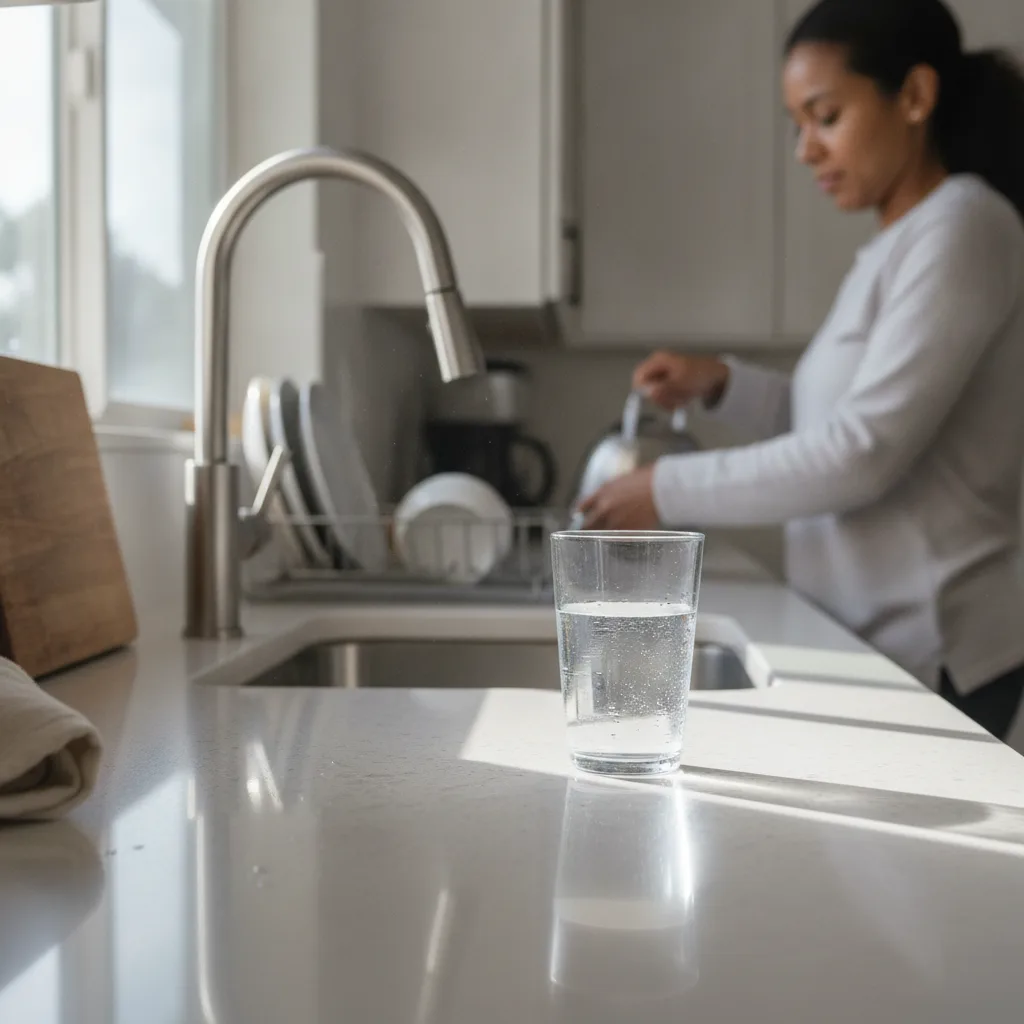
You fill a glass, take a sip, and it tastes like a swimming pool. That's chlorine. If you're on city water in Palm Coast, it's probably there on purpose. The utility adds it to kill bacteria before it reaches your house. Good for safety, rough on taste.
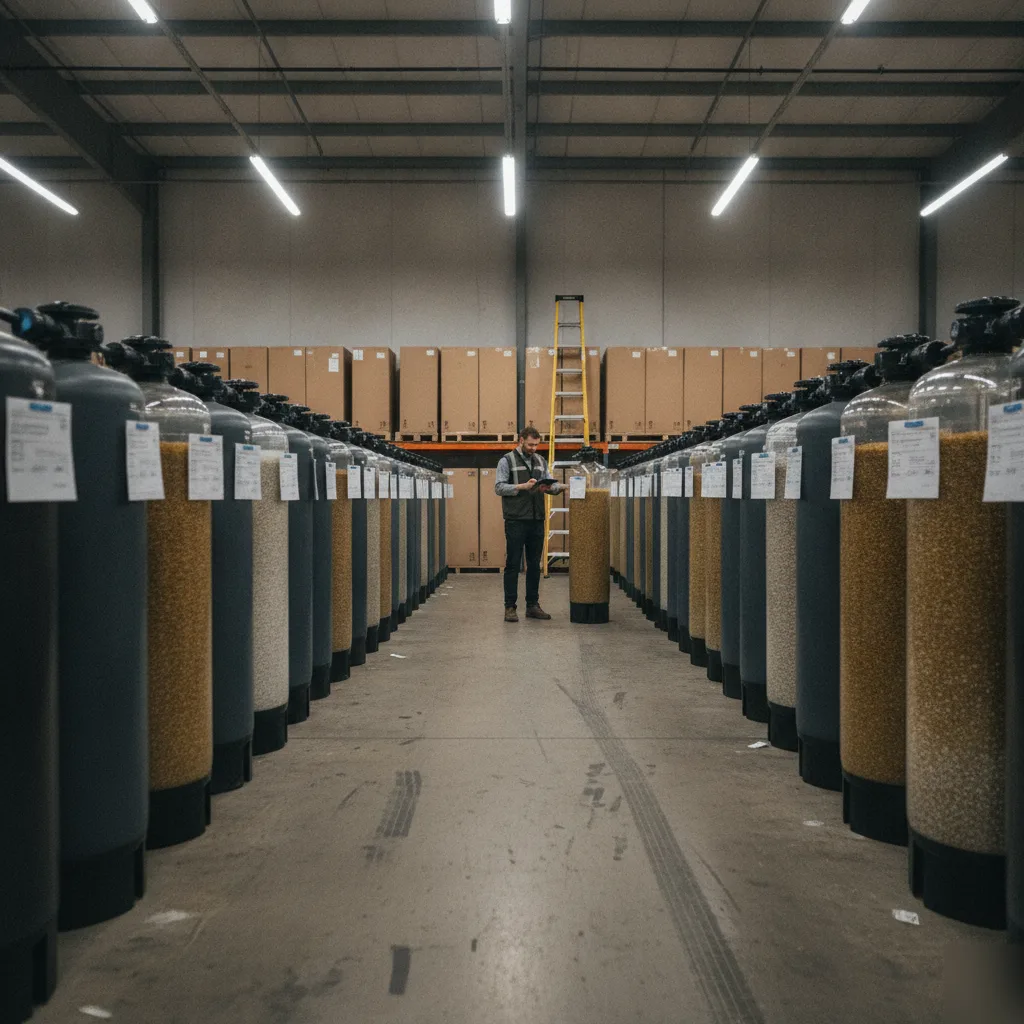
Here's what happens when we install a carbon filter. Water runs through a tank packed with activated carbon. This material has microscopic pores. Chlorine molecules get trapped in those pores as the water passes through. This process is called adsorption. What comes out doesn't carry that chemical taste or smell anymore.
We hear the same complaints often: water that smells like chemicals, skin that feels dry after a shower, coffee that tastes off no matter what beans you use. Most of the time it's chlorine. Sometimes it's other trace compounds picked up along the way. Carbon handles a good bit of that too.
Not every odor is chlorine, though. Rotten egg smell is usually sulfur. That's a different animal that needs a different filter. That's why we test first. Testing shows what's really there instead of guessing. It keeps you from paying for equipment that solves the wrong problem.
Most city water in Palm Coast is safe to drink as-is. This isn't about safety. It's about not wanting to taste chemicals every time you fill a water bottle or brush your teeth.
We live and work right here in Palm Coast. We understand our specific water challenges. We're not some big company from out of town; we're your neighbors.
Our customers rate us 5.0 stars across Google and Facebook. We've earned that reputation one job at a time — showing up on time, charging what we quote, and fixing it right the first time.
We charge a reasonable fee to tell you what's wrong. You'll get a clear explanation and upfront pricing. If you choose us to do the work, we may waive your diagnostic fee.
Not happy with our work? We come back and make it right at no charge. If we can't fix it to your satisfaction, you don't pay. No fine print.
Carbon filters are good at what they do, but they don't do everything. Got orange stains in your toilet bowl in Palm Coast Plantation or along Old Kings Road? That's iron. A carbon filter won't touch it. You need an iron filter built for that job.
Same goes for hardness. If your glassware is spotting and your showerhead is crusted with scale, carbon isn't the fix. That's a mineral problem. Palm Coast water runs 15 to 25 grains per gallon in many homes, well past the 7-grain mark USGS calls hard. A water softener handles that, not carbon.
Carbon also won't remove bacteria, nitrates, or arsenic. If you're on a private well and haven't had a full lab test done, don't assume carbon covers you. It doesn't. If your pH is off, under 6.5 or over 8.5, carbon filtration won't correct that either. You'd need a neutralizer.
So when does carbon make sense? When you're dealing with chlorine taste and smell from city water, mild sediment, or general off-tastes and odors that aren't sulfur or iron. That's carbon's job.
Not sure which bucket you're in? That's the most common call we get. Testing shows what's really there instead of guessing. It's the only way to know if carbon is even the right tool before you spend money on it. We size the fix to what the test finds, nothing more, nothing less. If you want the full lineup of what we install and repair, take a look at our main service page.
If carbon isn't your answer, we'll tell you before we quote anything. Fixed right or it's free still applies either way.
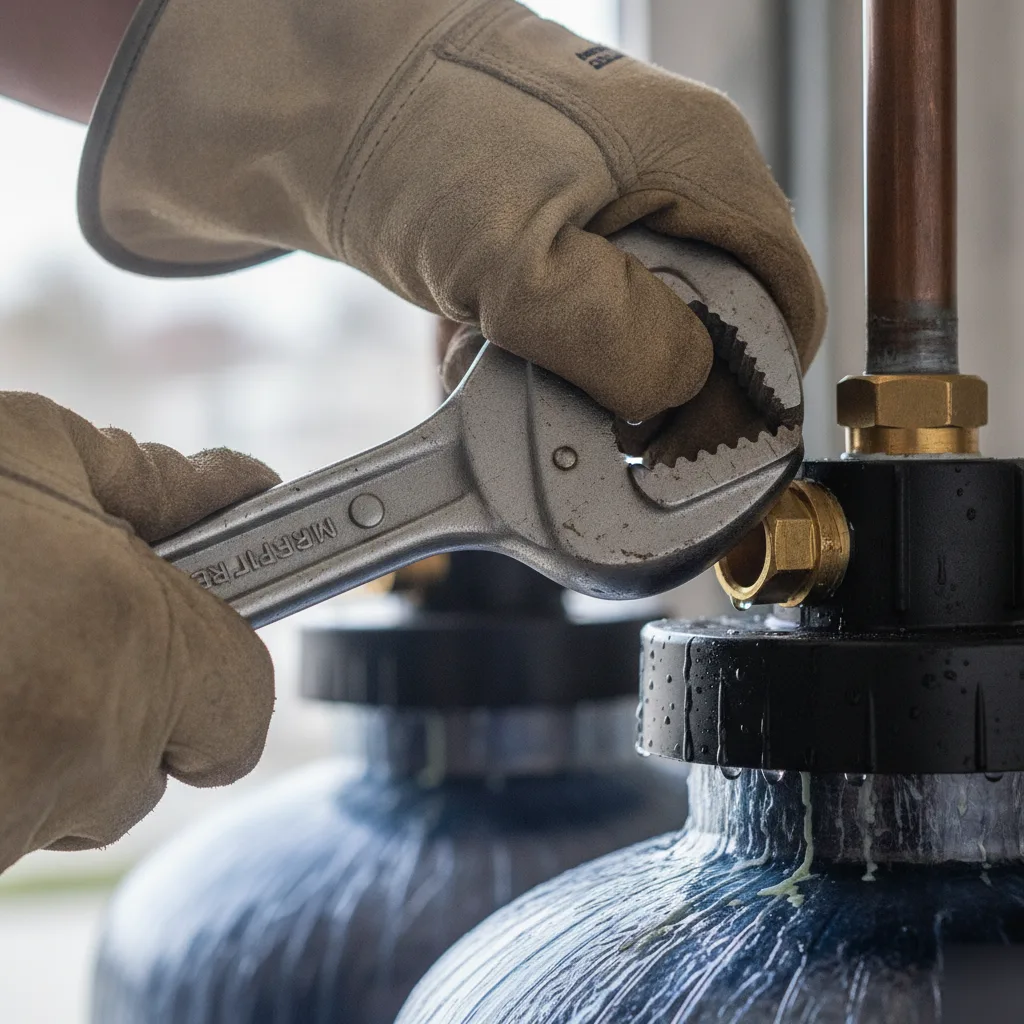
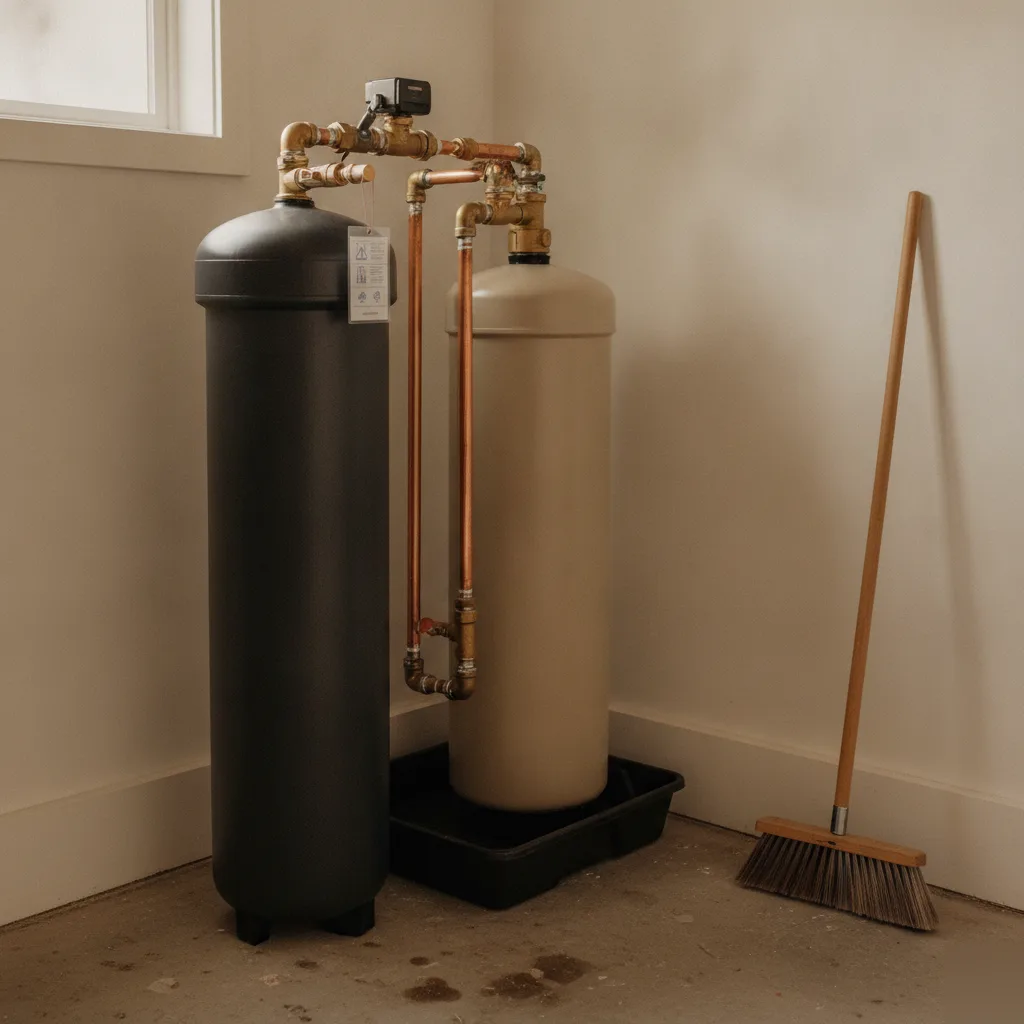
So what happens on install day? Most folks picture a big mess in the garage. It's really not that bad. We size the carbon tank to your home, your water flow, and whatever's causing the smell or taste. Then we hook it into your main water line before it splits off to the rest of the house. Learn more about our Water Filter Supplier Services.
Here's what do during the install:
Installs like this usually run 2 to 6 hours depending on your plumbing setup and where the main line sits. Homes near Palm Coast Plantation with older garage plumbing sometimes take a little longer just because of pipe access, nothing unusual, just how it goes.
One thing I always tell people: the bypass valve matters more than they think. It's not part of the flashy stuff, but it means you're never stuck without water if the unit ever needs a look. Once it's in, the carbon media itself typically needs replacing every few years, not every few months.
We're licensed water treatment pros. We set every carbon system up so the backwash and bypass work exactly like they should from day one.
Have questions? We're happy to help. Get Your Free Consultation Today. Ionex Water LLC is ready to help.
Here's something we run into a lot. A homeowner calls about a softener that keeps breaking down. The real problem isn't the softener at all. It's chlorine or sediment chewing through the resin bed before its time.
City water in Palm Coast is treated with chlorine to keep it safe. That's a good thing for drinking water. It's not so good for the resin inside a softener tank. Chlorine breaks resin down faster than it should wear. That means you're replacing resin, or the whole tank, sooner than you need to.
A carbon filter installed ahead of your softener pulls that chlorine out first. The softener gets clean water to work with instead of water that's slowly eating away at it. On well systems, we sometimes pair carbon with sediment filtration too, since grit and fine particles do the same kind of damage to valves and moving parts over time.
We've opened up softener tanks in homes near Palm Harbor and found resin that looked ten years old in a system that was only three years old. Chlorine exposure does that.
This is the piece a lot of people miss when they're shopping for a softener on price alone. A less expensive softener without carbon pre-treatment might cost less up front. But you'll be back in that garage sooner than you'd like. We size the fix to what the water needs, one tank or two working together, nothing more, nothing less.
Not sure if your setup needs both? That's a fair question. It's exactly what a proper water test answers instead of guessing.
Here's the honest answer: it depends on your water. Not a dodge, just the truth. Carbon filter installation cost swings based on a handful of real factors, not just the size of the tank sitting in your garage.
Water usage matters first. A household of two runs less water through the system than a family of five with two teenagers taking long showers. That changes the size of the carbon media tank you need. Bigger tanks cost more than smaller ones.
Then there's what's in your water. Straight chlorine taste and smell is one thing. If you've got sediment mixed in too, or you're on well water with organic material clogging things up, you might need a pre-filter ahead of the carbon tank. That adds equipment and labor.
What We Check Before We Give You A Price:
Installation labor plays into it too. A straightforward swap where an old filter tank already sits in a good spot takes less time. A first-time install where we're running new lines takes longer. Most installs across the board in this trade run a few hours, not days.
Before you hire anyone for carbon filter installation, ask what's in your water. Ask why they're recommending the size they're recommending. Ask if the quote includes a pre-filter or if that's a separate cost later. Ask how they landed on that tank size. If the answer is a guess instead of a number, that's a red flag.
Our approach stays simple. Test first, size the equipment to the results, and skip anything the water doesn't call for. That's why testing comes before any quote gets written down.
You need a carbon filter for chlorine taste and smell, and a softener for hard water stains and scale. Palm Coast water often runs 15 to 25 grains per gallon, well above the 7-grain hardness mark. If you see spotty glasses or crusty showerheads, that's hardness, not chlorine. Orange stains in your toilet mean iron, which carbon also won't fix. We test your water first so you're not guessing which problem you have before buying equipment.
Most installs run 2 to 6 hours depending on your plumbing setup. We shut off your main water, cut into the line, set the tank and bypass valve, then run a backwash cycle to settle the carbon bed. Homes near Palm Coast Plantation with older garage plumbing sometimes take a bit longer due to pipe access. Before we leave, we test your water again so you can taste the difference yourself right away.
No, rotten egg smell is usually sulfur, and carbon filtration isn't built for that job. Carbon is great at pulling out chlorine taste and smell, but sulfur needs a different type of filter entirely. This is exactly why we test your water before recommending anything. Guessing at the cause wastes your money on the wrong equipment. Once we know what's in your water, we can tell you the right fix for that specific odor.
Yes, installing a carbon filter ahead of your softener protects the resin bed from chlorine damage. Chlorine in Palm Coast city water is great for safety but breaks down softener resin faster than normal wear. That means replacing resin or the whole tank sooner than you should have to. A carbon pre-filter strips chlorine out first, so your softener only handles clean water and lasts the way it's supposed to.
Carbon media typically needs replacing every few years, not every few months. The filter flushes itself clean on a backwash schedule, which keeps the carbon bed working between replacements. We set every system up so backwashing happens automatically on the right timing. That bypass valve we install also means you're never stuck without water if the unit ever needs a look or a media swap down the road.
Most city water in Palm Coast is safe to drink even with the chlorine smell, so this is about taste, not safety. The utility adds chlorine on purpose to kill bacteria before it reaches your home. A carbon filter doesn't change the safety of your water, it just pulls that chemical taste and smell out before it hits your glass. If you're tired of water tasting like a swimming pool, carbon solves that specific complaint.
Call us for a free water test. We'll tell you what's in your water and which whole-house water filter fixes it.
Most systems installed same week.
© Copyright Ionex Water Systems.
Mailing Address Only: 10 Wood Clift Ln, Palm Coast, FL 32164