<-- Back to Water Softener Equipment Supplier

Brine Tank Repair in Palm Coast: Fix It Right the First Time

Quick Summary: A bad brine tank usually shows up as salt that won't dissolve, water sitting at the bottom, or hard water symptoms returning. Most of these issues come from a clogged tube, a bad float, or salt bridging, not a dead unit. We can help you repair your brine tank today.

Lifetime Warranty

We offer a Lifetime Guarantee on many of our products.

Financing Available

We offer creative financing options for larger purchases.

Fast Installation & Repairs

Don't deal with bad water any longer than necessary.

Satisfaction Guaranteed

You don't pay until you're 100% happy with our services :)
Google Review by Gerald Bullock

"Didn't know if softener was working properly or not. The salt tank float was stuck in the off position and would not allow water into the salt tank. In the process we had another problem and he got that fixed too. I highly recommend Ionex water."

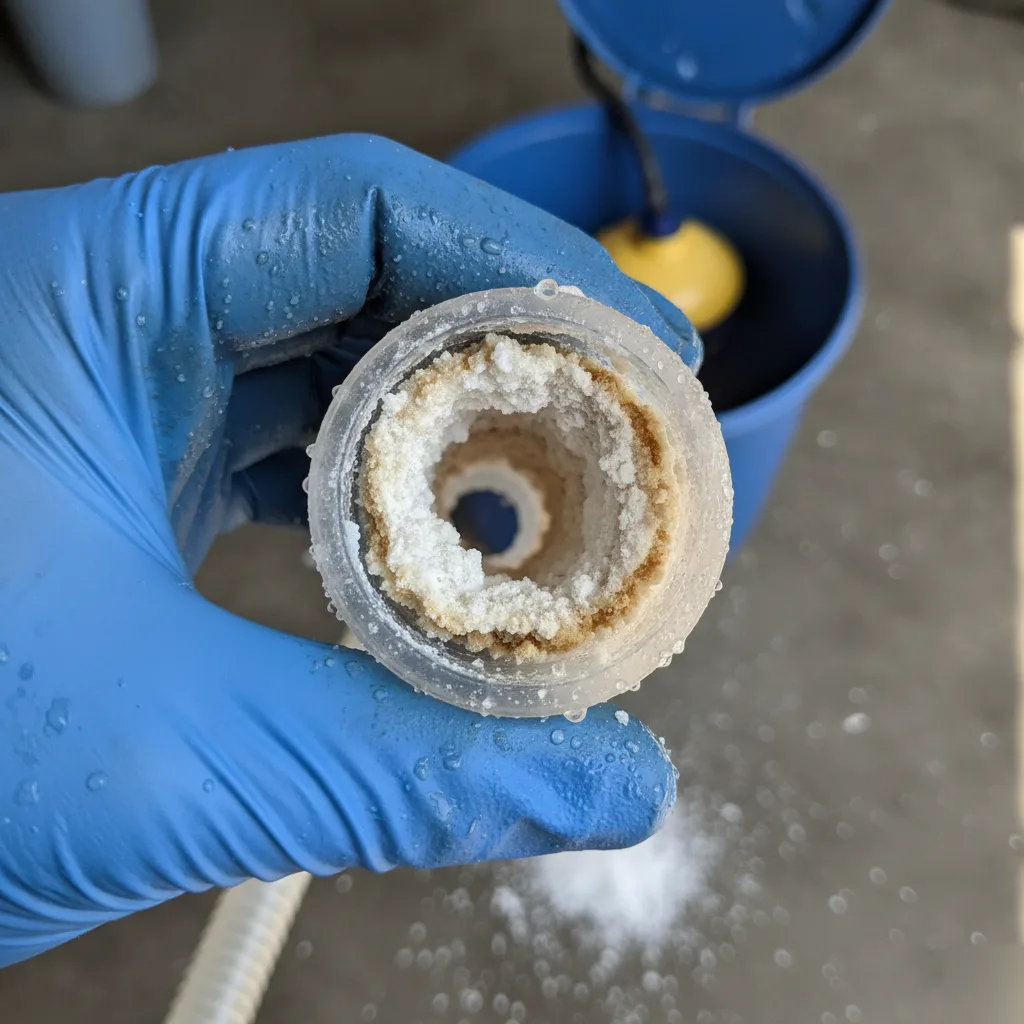
Close-up of clogged brine tube with salt buildup during Palm Coast tank repair

Signs Your Brine Tank Needs To Be Repaired

You lift the lid and something's off. Maybe there's a crust of hardened salt sitting a few inches down, hollow in the middle, with water pooling underneath. That's called salt bridging. It's one of the most common brine tank problems we see in Palm Coast homes. The salt hardens into a shelf and stops feeding brine into the system. Learn more about Water Softening Equipment Supplier in Palm Coast, FL.

Most of the time, when a customer calls saying their softener "just stopped working," the resin tank is fine. It's the brine tank that's the problem.

  • Standing water at the bottom of the tank that never goes down
  • Salt bridging, a hard crust that traps water underneath instead of dissolving
  • Mushy, thick salt sludge (mushing) that clogs the bottom of the tank
  • A cracked or warped tank wall, usually from age or sun exposure on garage units
  • Hard water symptoms returning, scale on faucets, stiff towels, even though the tank has salt
  • A float valve stuck open or closed, which throws off the regeneration cycle

If your water was soft for months and then suddenly your shower glass is spotting again, don't assume the whole system is shot. Check the tank first. We've pulled the lid off units in the F Section and found nothing wrong but a bridge of hardened rock salt sitting an inch above standing water. That's a repair, not a replacement.
Why Choose Ionex Water Systems

Safe & Effective

Our Water Purification Systems are very effective at removing harmful contaminants from your water.

Wholesale Pricing

Don't pay more to get healthier water. No Franchise Fees! Low Overhead! Just Great Water at a Great Price!

Lifetime Warranty

Our Encore Water Treatment Systems come with a Lifetime Warranty against product defects. Reliable! Dependable!

Satisfaction Guarantee

We promise to do everything possible to ensure you're 100% Satisfied with our home water treatment systems!

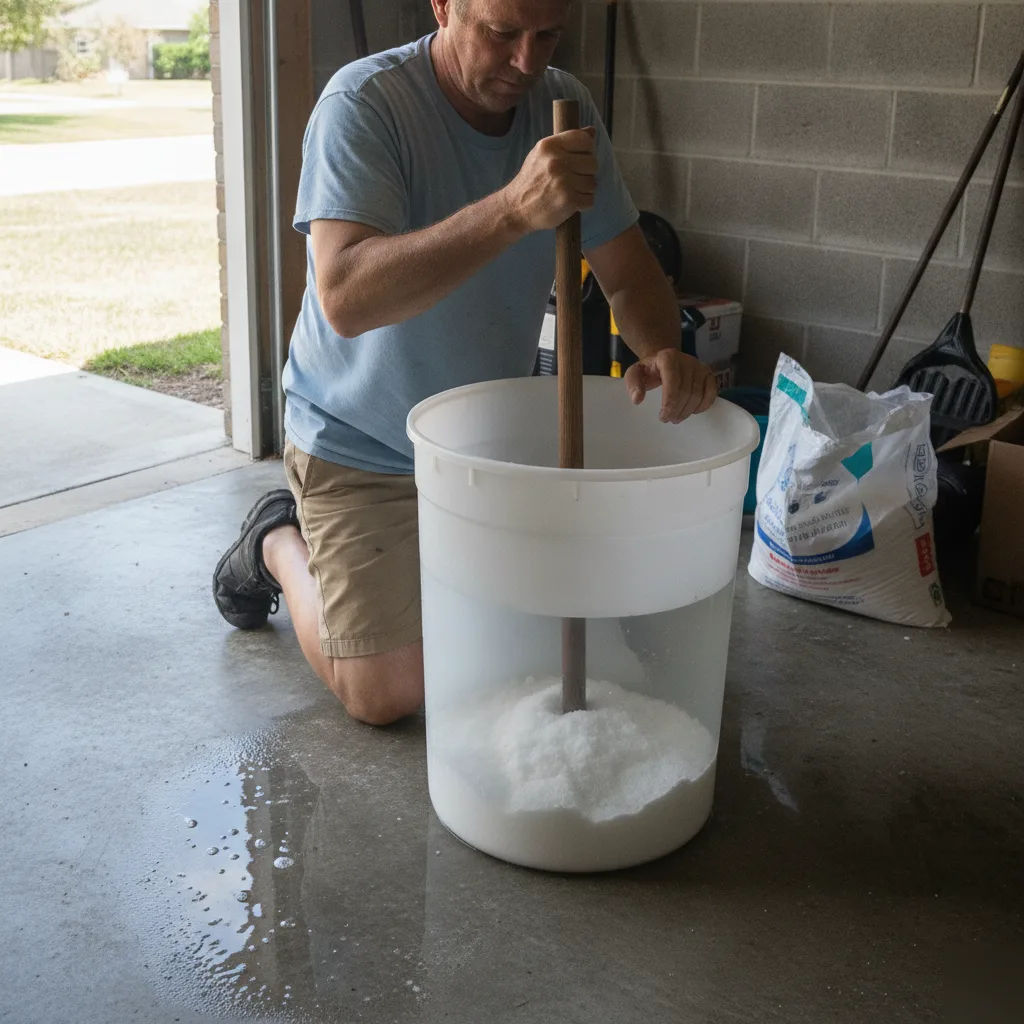
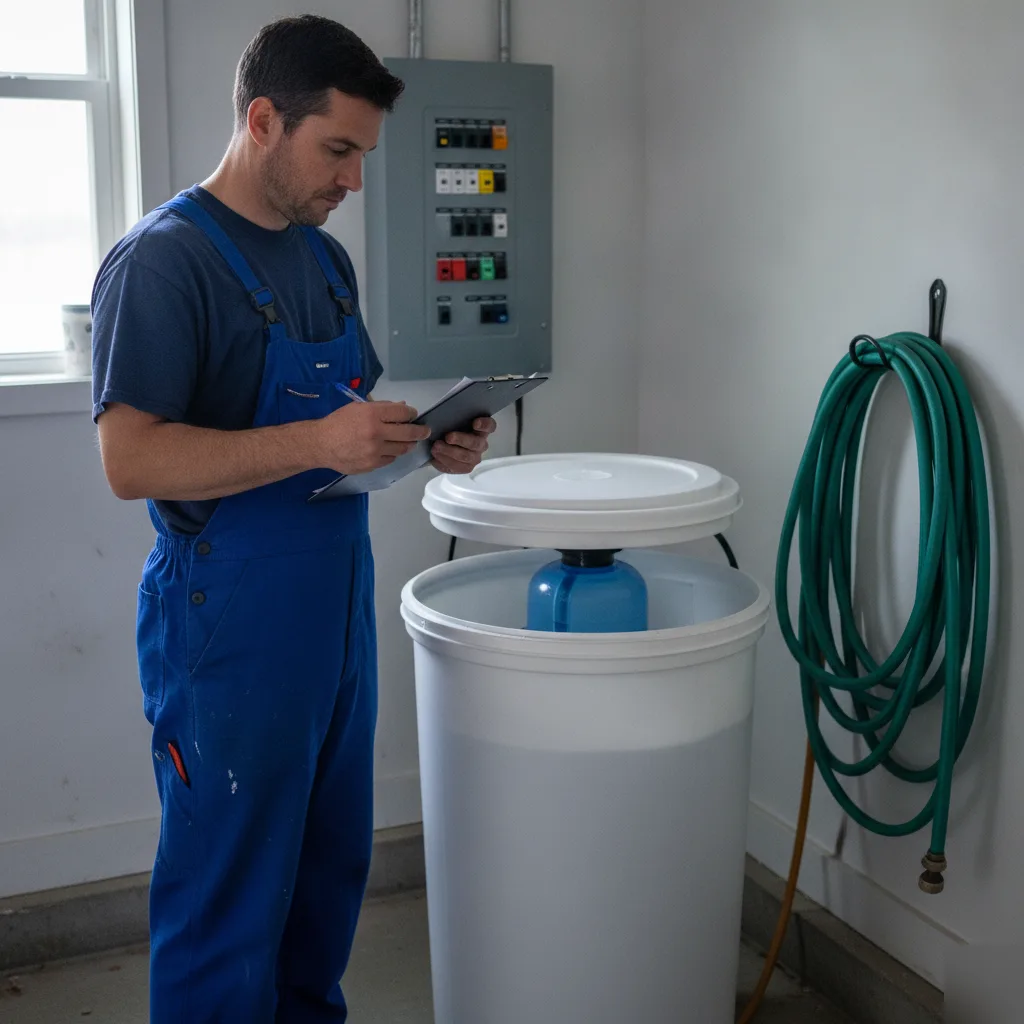
Homeowner attempting DIY brine tank fix before calling Palm Coast repair service

When You Can Fix It Yourself First

Not every brine tank problem needs a truck in your driveway. If your softener stopped pulling salt and the tank has a hard crust of salt bridging near the top, sometimes you can break that up yourself with a broom handle and warm water. A salt bridge forms when humidity in the tank gets high. That happens a lot here with Palm Coast's coastal air. The salt crusts over into a shelf above the water line.

So how do you know if it's a bridge or something bigger? Push down gently on the crust. If it cracks and drops into the water below, that's a bridge, not a broken part. Refill with salt, run a manual regeneration, and watch your water for a day or two.

Low salt is another one you can catch yourself. Often the tank just ran empty and nobody noticed. Keep salt at least a third full and check it monthly, especially in summer when humidity swings hard.

  • Salt bridging you can break up with a broom handle or long stick
  • Tank running low on salt with no cracks, leaks, or float issues
  • Mushy salt at the bottom that just needs scooping and a fresh fill
  • Softener still regenerating fine, just using more salt than usual

Here's where it stops being a DIY job. Standing water that won't drain, a stuck or broken float valve, cracks in the tank wall, or a brine line that's clogged solid - those need real diagnosis. You can find details on our full lineup of softener and brine tank services on our main service page, and that's the right next step once you're past the easy fixes.

If you've tried breaking the bridge and the water's still hard three days later, stop guessing.

Repaired brine tank system standing clean after Palm Coast service completion

What Happens During a Repair Visit

So you called. What now? Here's the truth: we don't guess. We show up, we look, and we test before we touch anything.

Most brine tank problems come down to a handful of causes. Salt bridging, a clogged injector, a stuck float, or a cracked tank wall. We've seen all of it, more than once, on the same street.

  • We check the brine tank first, looking for a salt bridge or mushy salt sludge at the bottom.
  • We test the float valve to see if it's stuck high or low. This throws off the regeneration cycle.
  • We inspect the brine line and injector for clogs, since sediment and iron buildup are common in Palm Coast well water.
  • We run a manual regeneration cycle to watch the system pull brine and confirm the fix worked.
  • We check the resin tank connection too, since a bad brine draw can point back to a resin tank issue.

Old salt clumps into a solid block near the bottom. The tank looks full but nothing's dissolving into the water. That's the cause more often than not. We break it up, clean the tank out, and check what caused it. Sometimes it's the wrong salt type, sometimes it's just humidity in the garage.

If the tank itself is cracked or the float mechanism is worn out, we'll replace the part in most cases. Same-day repairs are how we handle most jobs like this.

Ready when you are - get in touch today. Get Your Free Consultation Today. Ionex Water LLC is ready to help.

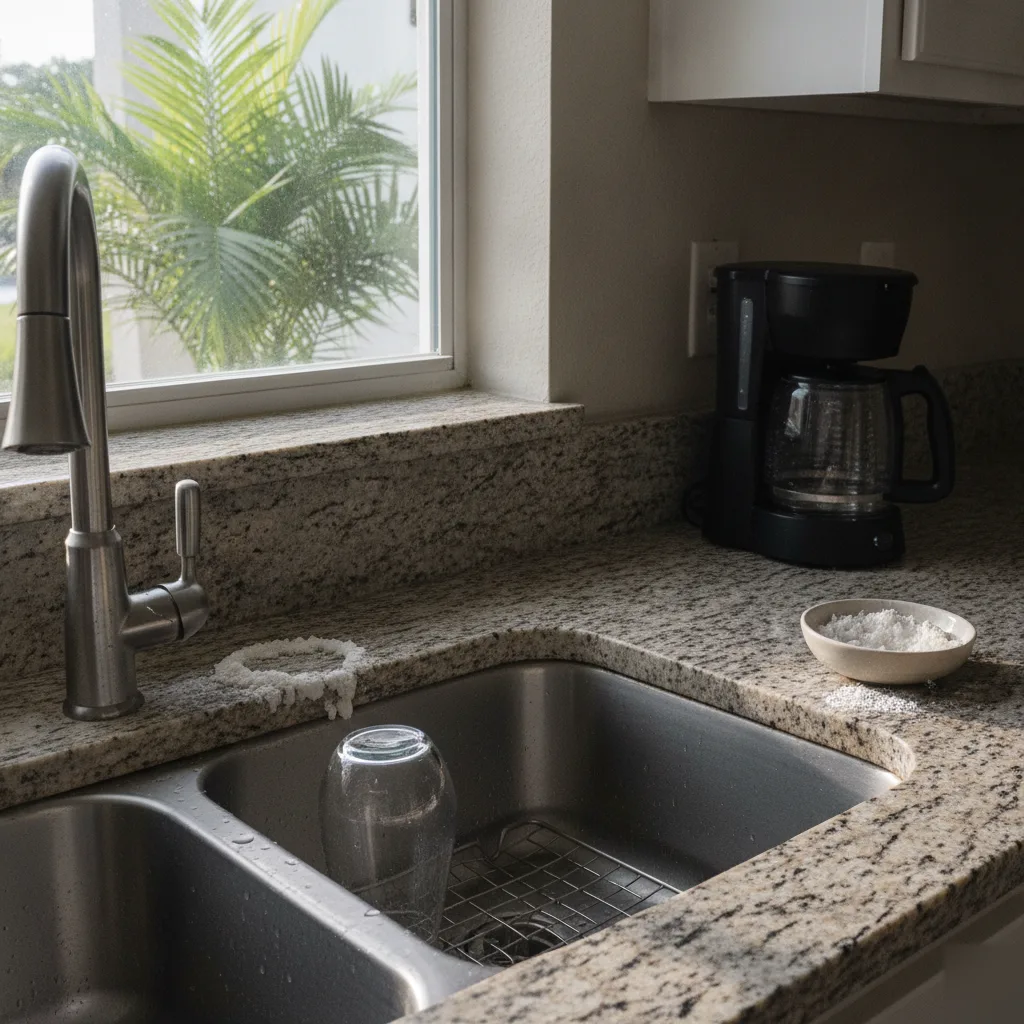
Hard water spots on kitchen faucet showing signs of Palm Coast softener failure

Repair Versus Replacement: How the Decision Gets Made

Here's the thing. Most brine tank problems don't mean your softener is dying. The tank is just a plastic container that holds salt and water. It's one of the simplest parts of the whole system, and most of the time, it's fixable.

We look at a few things before we say the word replace. Is the tank itself cracked or warped, or is it just the float valve, the grid plate, or a clog? Cracked tanks from age or sun exposure usually need swapping out. A stuck float or a salt bridge? That's a repair, plain and simple.

And age matters too. If your resin tank and control valve are still working fine and it's just the brine side acting up, replacing the whole softener over a brine tank issue is throwing money away. We match the treatment to the problem. Nothing more, nothing less.

  • Cracked or split tank walls from sun exposure or age
  • Stuck or broken float valve causing overflow or no water draw
  • Salt bridge or mush at the bottom blocking brine flow
  • Clogged injector or brine line restricting salt water delivery
  • Corroded or worn grid plate at the tank bottom

If your softener's control valve is old and failing too, that's a different conversation. But a bad brine tank alone almost never means the whole unit needs to go. We'll tell you straight if repair won't hold up long term. We're not going to sell you a tank fix that fails again in six months.

Real testing shows what's actually wrong instead of guessing. A real diagnosis, not a sales pitch dressed up as one.

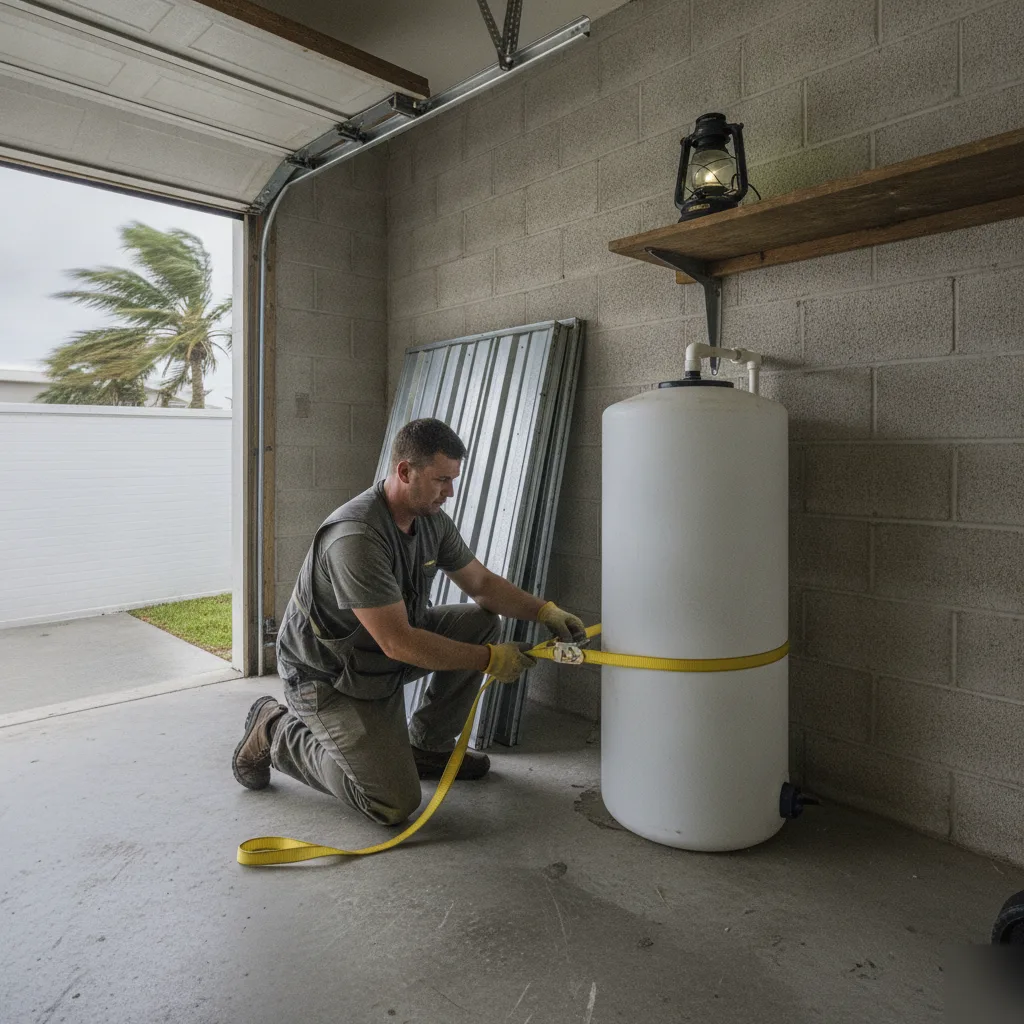
Technician securing brine tank with strap ahead of hurricane season in Palm Coast

Protecting Your Softener Through Hurricane Season

Storm season in Flagler County is brine tank season, whether folks realize it or not. Power flickers off during a summer storm. Your well pump kicks off too. The softener's control valve can freeze mid-cycle. Come back a day later and the brine tank's flooded or the salt's turned into one solid block at the bottom.

Heavy rain matters too. A lot of Palm Coast homes near the canals and low-lying lots by the Intracoastal see their yards saturated for days after a big storm. If your brine tank sits low or the drain line backs up, water can push back into the tank instead of draining out. That's a bridging problem waiting to happen.

Before hurricane season ramps up, a few minutes of prep saves you a service call later.

  • Check the brine tank drain line isn't blocked or kinked before storm season starts
  • Keep the salt level a little lower than usual so a power blip doesn't cause a solid bridge
  • Know where your bypass valve is in case you need to shut the softener out of the loop
  • After any storm with flooding or extended power loss, check the tank before you assume it's fine

We match the treatment to the problem. After a storm, the problem is usually the same one: a control valve that lost its cycle timing or a brine tank that flooded and needs cleaning out before it'll draw again. Most of the time it's not the whole unit, just the brine side.

If your softener's acting strange right after a storm, don't just assume it's ruined.

FAQ

Learn more about Brine Tank Repair

Push down on the salt crust near the top of the tank. If it cracks and drops into the water, that's a salt bridge, and you can often break it up yourself with a broom handle. Refill with salt and run a manual regeneration cycle. But if water is standing at the bottom and won't drain, or the float valve seems stuck, that's a job for a real diagnosis, not a DIY fix.

We check the tank first for salt bridging or mushy sludge, then test the float valve and inspect the brine line and injector for clogs. Sediment and iron buildup are common in Palm Coast well water, so we look there closely. We run a manual regeneration cycle to confirm the fix worked before we leave. Most jobs like this get handled same-day.

Salt bridging happens when humidity inside the tank gets high, and Palm Coast's coastal air makes that happen often. The salt crusts into a hollow shelf above the water line instead of dissolving properly. This traps water underneath and stops brine from feeding the system. Checking your tank monthly, especially in summer, helps you catch it before your water turns hard again.

No, most brine tank problems don't mean your softener is dying. The tank is a simple plastic container, so cracked walls or sun-warped tanks usually need swapping, but a stuck float or salt bridge is just a repair. We check whether your resin tank and control valve are still working fine before recommending anything bigger. Replacing a whole softener over a brine tank issue usually isn't necessary.

This usually means the salt isn't dissolving properly, often because of salt bridging or mushy sludge at the tank bottom. The tank looks full, but nothing is feeding into the water. A stuck float valve or a clogged injector can cause the same symptom. If your water was soft for months and suddenly turns hard again, check the tank before assuming the whole system failed.

Usually not. A softener that stops pulling salt is often caused by a hardened salt crust, a stuck float valve, or a clogged brine line, and these are common, fixable issues. We inspect the brine line and injector for buildup, since Palm Coast well water carries sediment and iron that clog these parts over time. Most of these repairs get fixed the same day we diagnose them.

Get Your Fresh Water Back with our Brine Tank Repair Service

Better feeling, smelling and tasting water is just one call away!

© Copyright Ionex Water Systems.
Mailing Address Only: 10 Wood Clift Ln, Palm Coast, FL 32164