<-- Back to Water Softener Equipment Supplier
Quick Summary: A hard crust on top of the salt, called bridging, is the most common brine tank problem we see in Palm Coast. It stops your softener from making brine even though the tank looks full. Mushy sludge low in the tank, cloudy standing water, or salt that never seems to go down are other signs the tank needs attention.
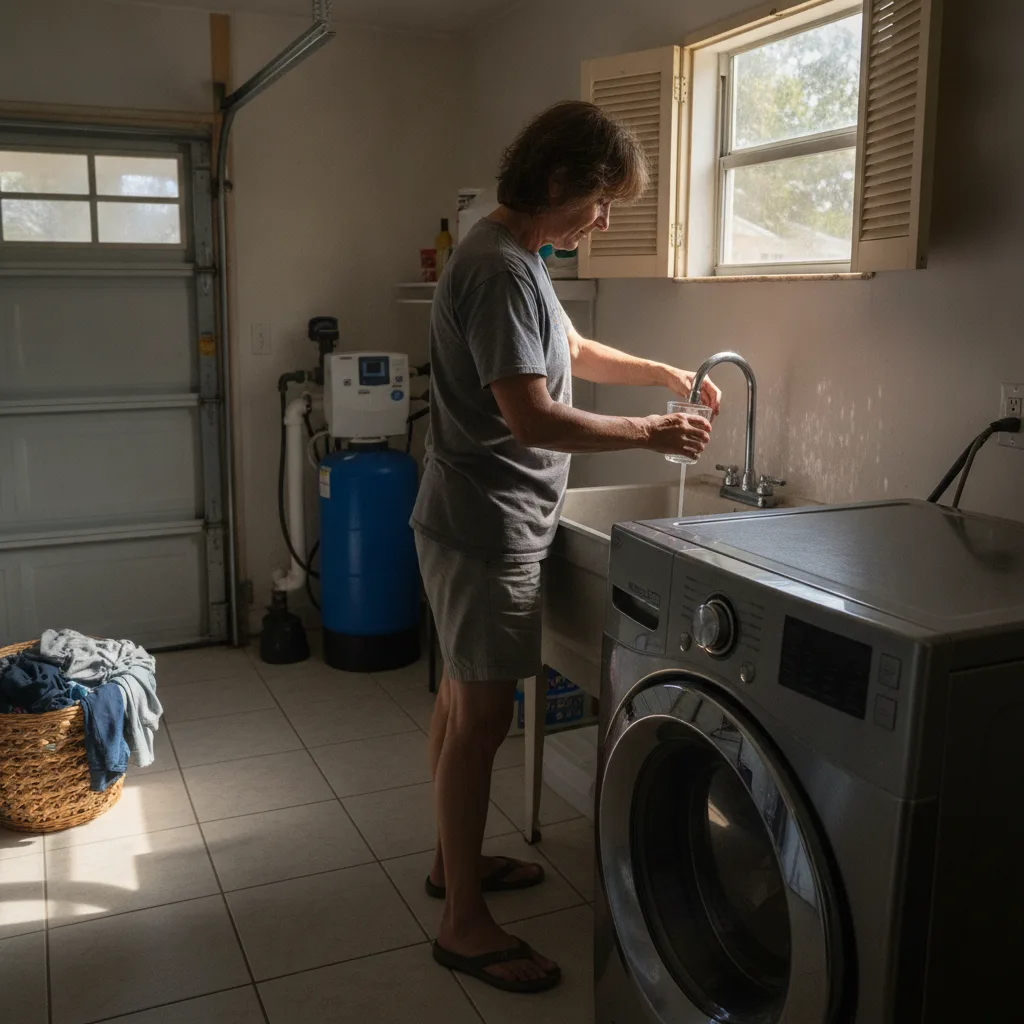
Your brine tank is doing more work than most Palm Coast homeowners realize. It's not just a salt box — it's what makes your entire water softener function. When salt hardens into a crust or turns to sludge at the bottom, your system can look completely full while doing nothing for your water. Hard water symptoms creep back in: spots on glasses, stiff towels, scale on fixtures. Well water and city water foul this tank differently, so a one-size-fits-all cleaning doesn't cut it. We test your water source first, then clean accordingly — nothing more, nothing less.
Google Review by Gerald Bullock
"Didn't know if softener was working properly or not. The salt tank float was stuck in the off position and would not allow water into the salt tank. In the process we had another problem and he got that fixed too. I highly recommend Ionex water."
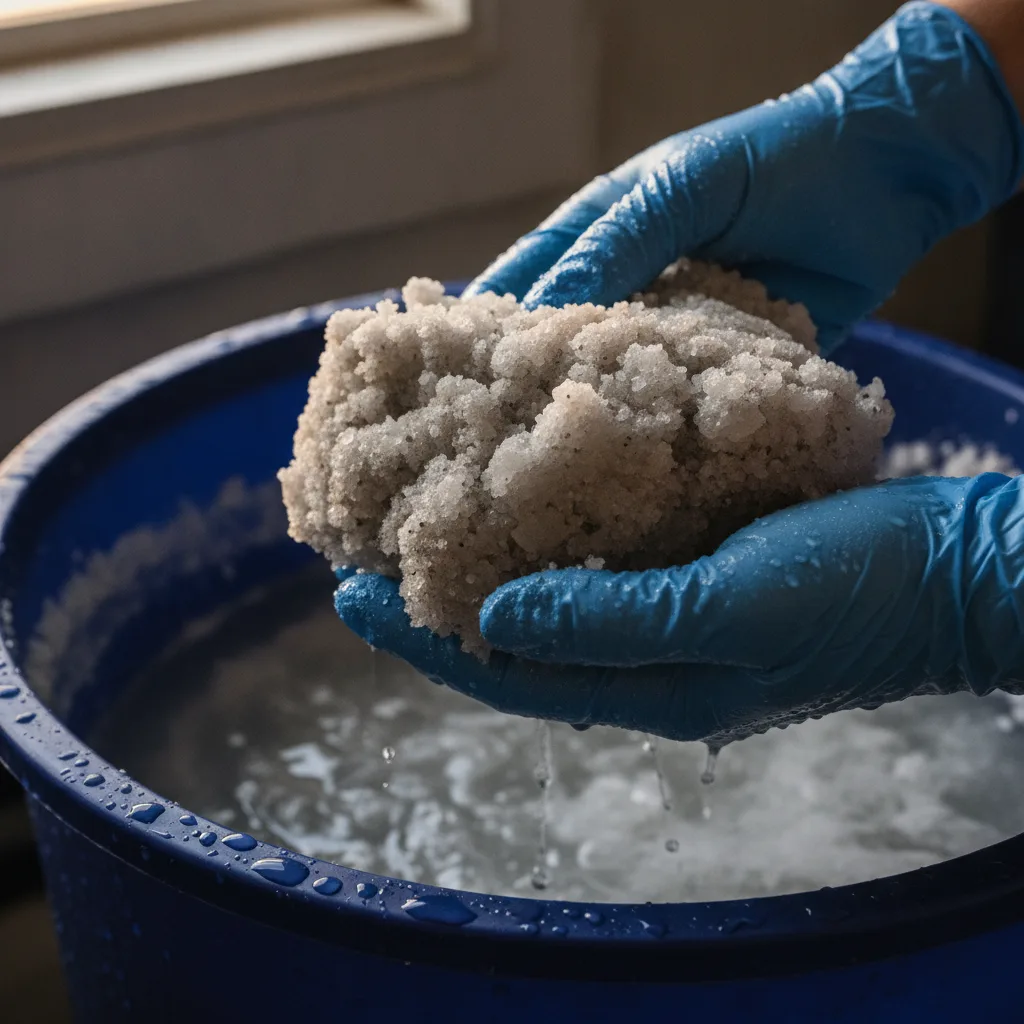
A brine tank can look completely full and still do nothing for your water. We get called to homes where the owner says they just filled it. We often find a hard salt crust a few inches above the water line, with an empty pocket underneath. That's bridging. The salt hardens into a shell. The water below can't dissolve it, so no brine gets made. Your softener quietly stops working. Learn more about our Water Softening Equipment Supplier Services.
Tap the outside of the tank. If it sounds hollow up top and solid lower down, you likely have a bridge. Mush is another sign: a thick sludge of dissolved salt and sediment that clogs the injector and float valve. If the water in the tank looks cloudy or has a film, that's usually dirt or resin fines that got in over time.
How do you know it's the tank and not something else? Watch your salt usage. If the level hasn't dropped in weeks even with regular use, that's your sign. Hard water symptoms coming back - spots on glasses, stiff towels - are often the first thing homeowners notice before they look in the tank.
Here are the most common signs we tell people to watch for:
Contact us for a free estimate today. We'll figure out what's wrong with your brine system and give you a written quote to repair it asap.
Our Water Purification Systems are very effective at removing harmful contaminants from your water.
Don't pay more to get healthier water. No Franchise Fees! Low Overhead! Just Great Water at a Great Price!
Our Encore Water Treatment Systems come with a Lifetime Warranty against product defects. Reliable! Dependable!
We promise to do everything possible to ensure you're 100% Satisfied with our home water treatment systems!
Not every softener problem means your brine tank needs a cleaning. If your water is suddenly hard again but the tank still has plenty of salt and no sludge, the issue might be something else entirely, like a worn resin bed or a stuck valve.
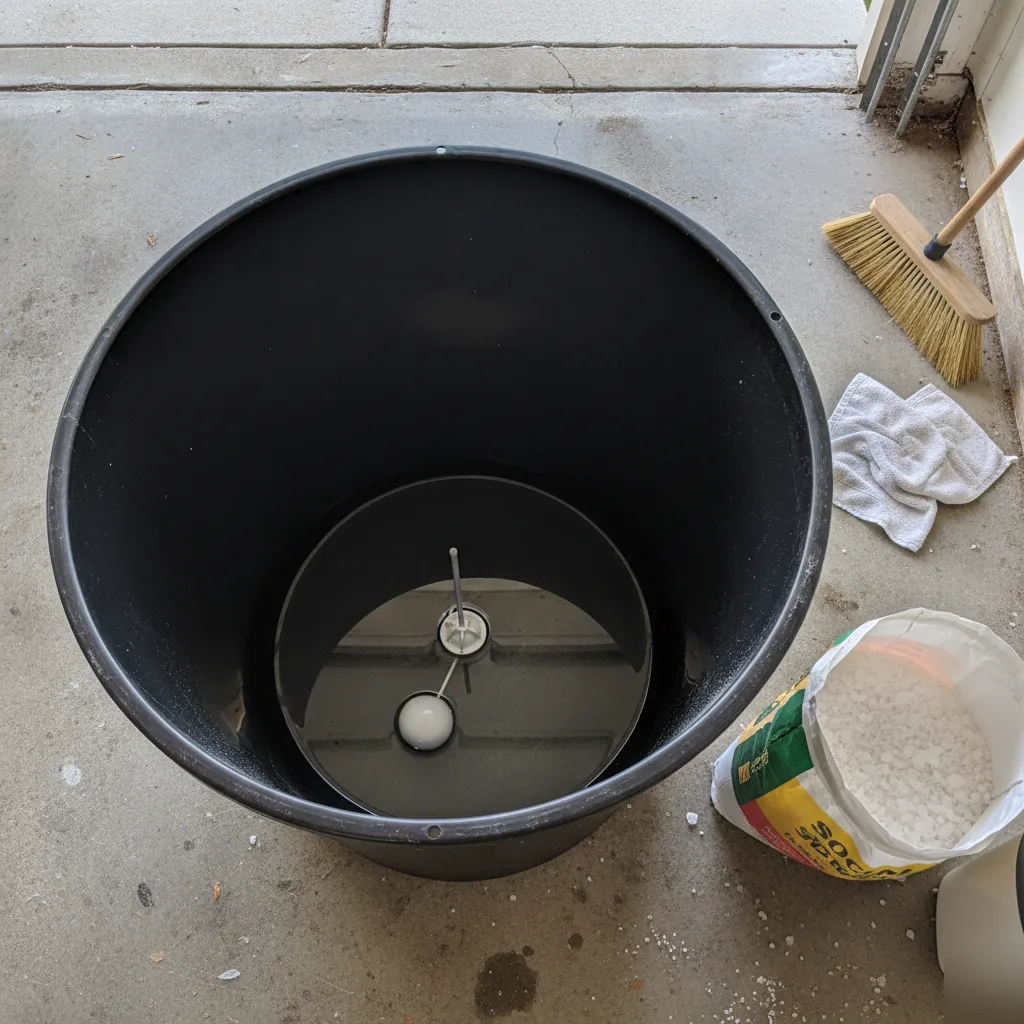
Here's a quick gut check. Pull the lid off the tank and look inside.
If that's what you're looking at, you don't need us out there this week. So many people call us worried they have a big problem, and it turns out the salt level is just low. That's a five-minute fix, not a cleaning job.
If your system is new, under a year or two old, it almost never needs this yet. Salt bridging and sludge buildup take time to form. Newer installs in areas like Palm Harbor and Matanzas Woods usually don't need their first cleaning until well past that point.
We match the treatment to the problem. Nothing more, nothing less.
Still not sure what you're looking at? That's pretty common, and it's a fair reason to have someone take a look rather than guess.
Need help with Brine Tank Cleaning? Get Your Free Consultation Today. Ionex Water LLC is ready to help.
Here's something we run into constantly. Two neighbors, same street, completely different brine tank problems. One is on a private well out past Old Kings Road. The other is on city water closer to town. Same softener brand, same age. Totally different mess inside that tank.
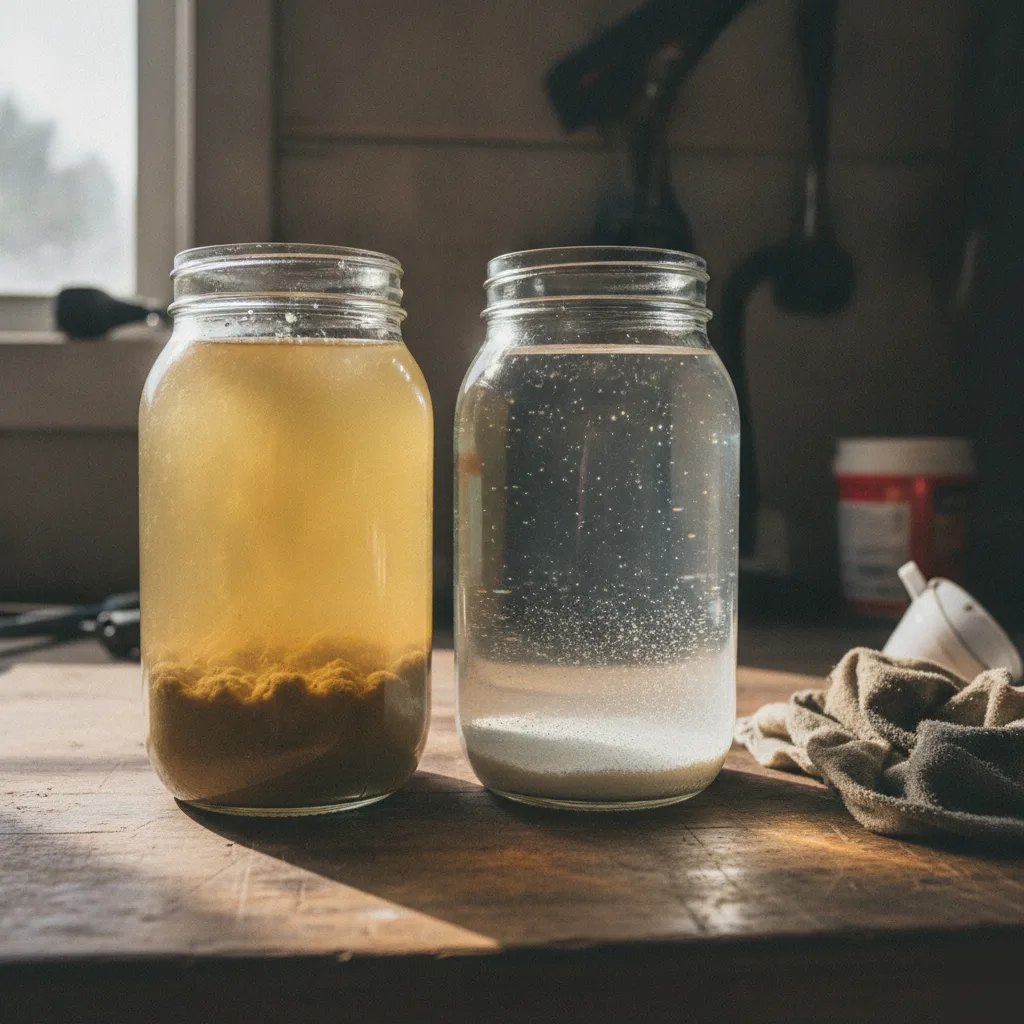
Well water homes deal with iron and sediment first. Palm Coast groundwater can carry enough iron to stain a toilet bowl orange at just 0.3 parts per million. That same iron bonds with salt and forms a crusty sludge low in your brine tank. We've pulled tanks apart in Palm Coast Plantation and found a solid, rust-colored cake under the water. Not just mush, an actual layer you could almost stand a spoon in.
Municipal water tells a different story. City supply runs through treated pipes, so you're not fighting raw iron. But city water often carries more fine sediment and mineral fines. These settle slow and steady, building a thinner but more even layer of gunk across the whole tank floor. It's less dramatic than the well water mess, but it still chokes the brine valve over time.
When we show up, we don't use one fixed process. We look at your water source first because that tells us what we're cleaning out. Salt bridges form differently too; humidity and salt type play into that regardless of source. Want the long version of how we handle installs, repairs, and maintenance across all this? Check out our main service page for the full rundown.
Not sure which category your home falls into? That's common. Plenty of folks don't even know if they're on well or city water after living somewhere a few years.
Here's what we do. It's not complicated, but it takes the right steps in the right order.
Here's what the process looks like from start to finish:
That last step matters. A tank can look clean and still not draw brine right if the valve or injector is clogged. We test it before we leave, not after you call us back.
Most visits run under an hour once we're set up. Homes on well water out toward Old Kings Road sometimes take longer. Sediment from the well can settle into the brine tank along with the salt sludge. City water homes in sections like Palm Harbor usually clean up faster because there's less grit mixed in.
We're licensed water treatment pros. Every visit ends the same way: we show you what we found before we close it up, not after.
How Brine Tank Neglect Ages Older Palm Coast Systems
Nobody tells you this when they sell you a softener. That brine tank isn't just a salt box. It's the part of the system that makes everything else work. When it gets neglected, the whole unit ages faster than it should.
Palm Coast water runs 15 to 25 grains of hardness. Most softeners here work harder than units up north. That means more salt, more regeneration cycles, and more chances for sludge to build up inside the tank. Salt bridges form. Mushy salt clumps settle low. Once that happens, your system can't pull brine into the resin tank as it should.
When we pull an older unit apart and find a cracked or worn-out valve, there's a dirty brine tank right next to it. Coincidence? Not really.
When the brine solution can't circulate right, the resin bed doesn't get properly recharged. Your system starts pushing hard water through the house even though it's running. Homeowners think the whole unit is dying. They call about resin tank replacement. It turns out the resin was fine; the brine side just never got serviced.
Motors and valves also take the hit. They cycle more often trying to make up for weak brine. That extra strain wears out parts years before they should fail. A softener that could easily run a decade or more starts needing repairs at year four or five instead.
We match the treatment to the problem. Nothing more, nothing less. A clean brine tank protects everything you already paid for.
Pull the lid off and look. If the salt looks dry and loose with no crust, you're probably fine and just need a refill. If you see a hard shell above the water or thick sludge low in the tank, that's a sign it needs cleaning. Also check if your salt level has barely moved in weeks. That usually means bridging is blocking your softener from making brine at all.
A hard salt crust called bridging is forming above the water line, leaving an empty pocket underneath. Your softener can't reach the water to make brine, so it stops working even though the tank looks stocked. Tap the outside of the tank. A hollow sound up top with a solid feel lower down usually confirms a bridge is the cause.
Well water usually causes a worse mess. Palm Coast groundwater carries iron that bonds with salt and forms a rust-colored, crusty layer low in the tank, sometimes solid enough to stand a spoon in. City water fouls differently, spreading a thinner, more even layer of sediment across the whole tank floor. Either way, we check your water source first before cleaning.
Most visits run under an hour once we're set up. We shut off the softener, remove old brine and sludge, scrub the tank walls and float assembly, then flush it clean. Before we leave, we refill with fresh salt and run a regeneration cycle to confirm the system is pulling brine correctly, not just look clean.
Systems under a year or two old almost never need cleaning yet. Salt bridging and sludge buildup take time to form. Newer installs in areas like Palm Harbor and Matanzas Woods usually go well past that first year or two before their first cleaning is due. If your system is new and still regenerating on schedule, you likely don't need service yet.
Open the lid and look for a hard crust, cloudy water, or a smell inside the tank. Check if your softener is still regenerating on schedule and if water comes out soft between cycles. If everything looks normal and salt is just low, that's a quick fix, not a cleaning job. When you're unsure, it's fair to have someone take a look.
Better feeling, smelling and tasting water is just one call away!
© Copyright Ionex Water Systems.
Mailing Address Only: 10 Wood Clift Ln, Palm Coast, FL 32164